
Forts in
Maharashtra
Explore the majestic forts of Chhatrapati Shivaji Maharaj. Witness history etched in stone — Sinhagad, Raigad, Rajgad, Pratapgad & Sindhudurg.
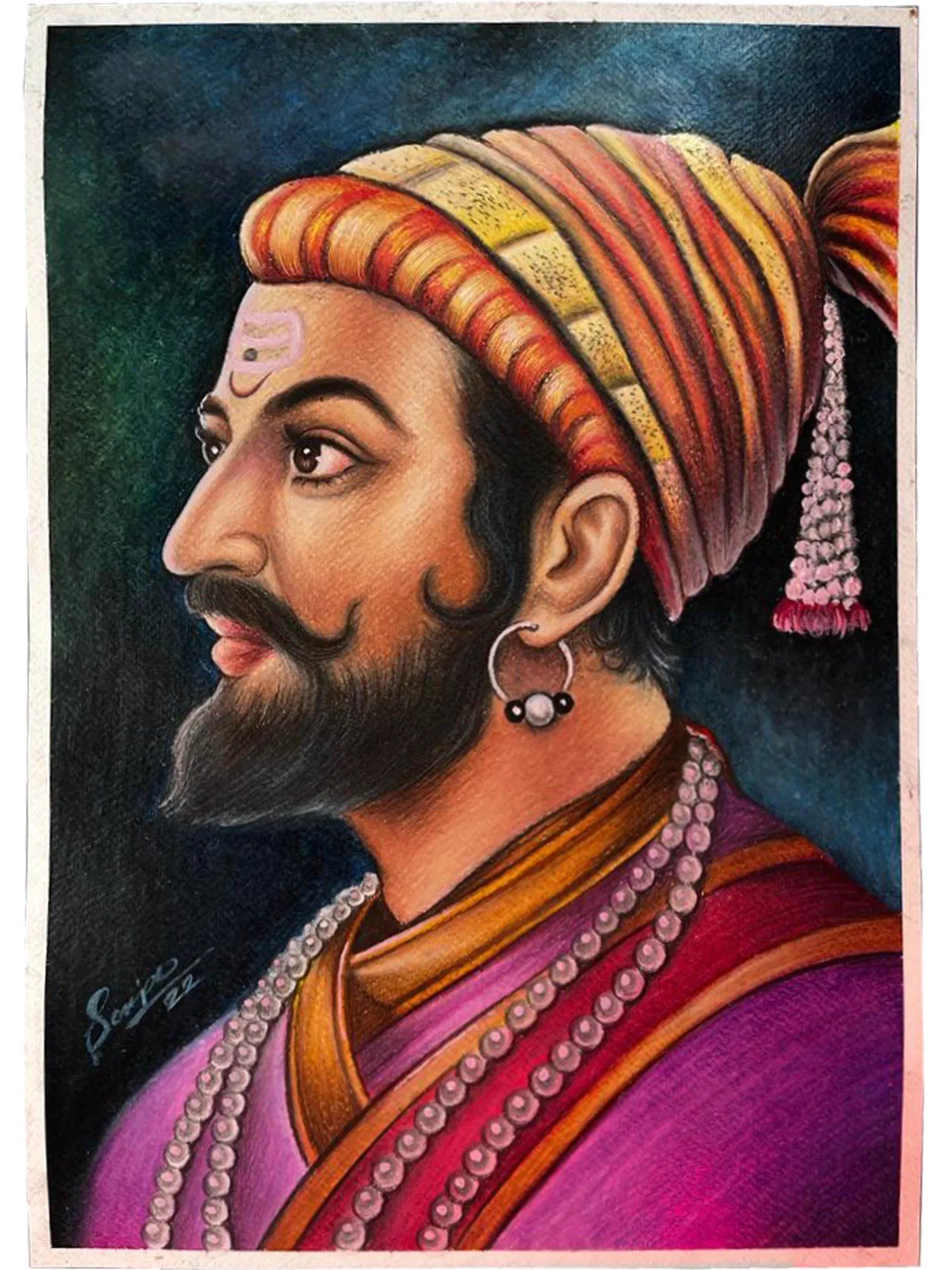
Chhatrapati
Shivaji Maharaj
Founder of the Maratha Empire
The great warrior king who established Hindavi Swarajya. Known for his military genius and progressive administration, he built an impregnable defense system across the Sahyadri range.
Explore All 31 Forts
The most majestic fortifications of the Maratha Empire — each with rich history, trek guides & itineraries.
Raigad Fort
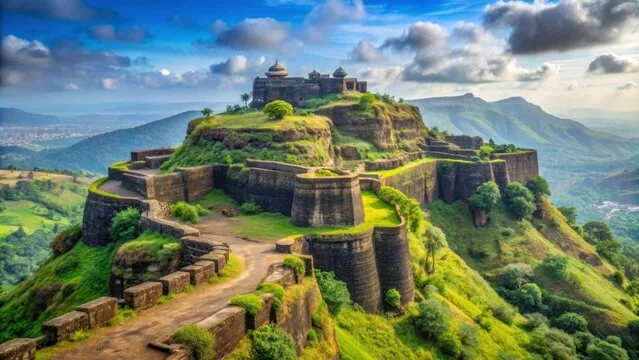
Raigad — Durgaraj — was the capital of Chhatrapati Shivaji Maharaj's Hindavi Swarajya and the site of his coronation in 1674. Perched 820 metres above the Konkan, this monumental hill fort holds the Maharaj's samadhi, the Nagarkhana Darwaja, the royal court and panoramic ramparts that once watched over an empire.
Shivneri Fort
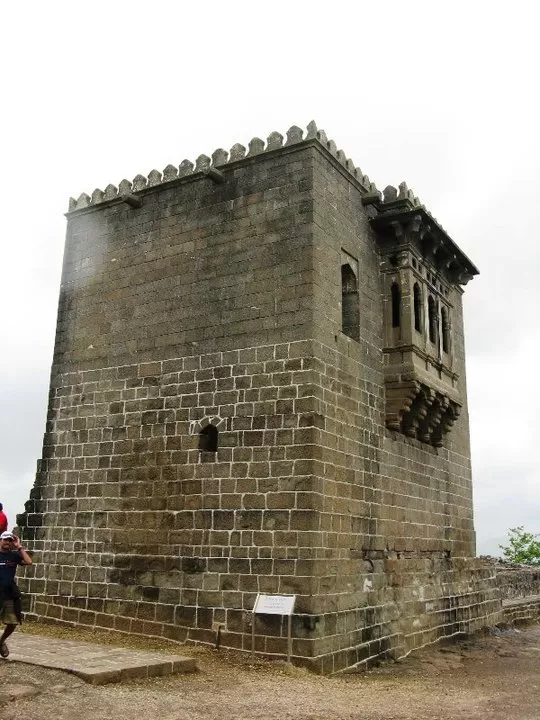
Shivneri rises 1,170 metres above the town of Junnar in northern Pune district, a triangular hill fort whose name is forever linked to the birth of Chhatrapati Shivaji Maharaj on 19 February 1630. Built atop a much older Buddhist cave complex carved between the 1st century BCE and the 3rd century CE, the fort guarded the ancient Naneghat trade route that connected Kalyan port to the Deccan plateau. The Yadavas, Bahmani Sultans, Nizam Shahis of Ahmednagar and finally the Mughals each held the citadel before it returned to Maratha hands. Jijabai chose Shivneri for her son's birth because of its near-impregnable defences — seven successive gates, sheer scarp walls and the protected Badami Talav cistern within. Today the fort preserves the Shivai Devi temple from which Shivaji took his name, the Shivkunj pavilion marking the birthplace, the perennial Ganga-Jamuna water tanks, and panoramic views across the Junnar plain to Naneghat and Lenyadri. The trek from Junnar town is gentle by Sahyadri standards, climbing stone steps through all seven gates in roughly two hours. Monsoon drapes the basalt in moss and pours waterfalls over the western cliffs, while winter mornings reveal the entire Kukadi valley in crisp detail.
Pratapgad Fort
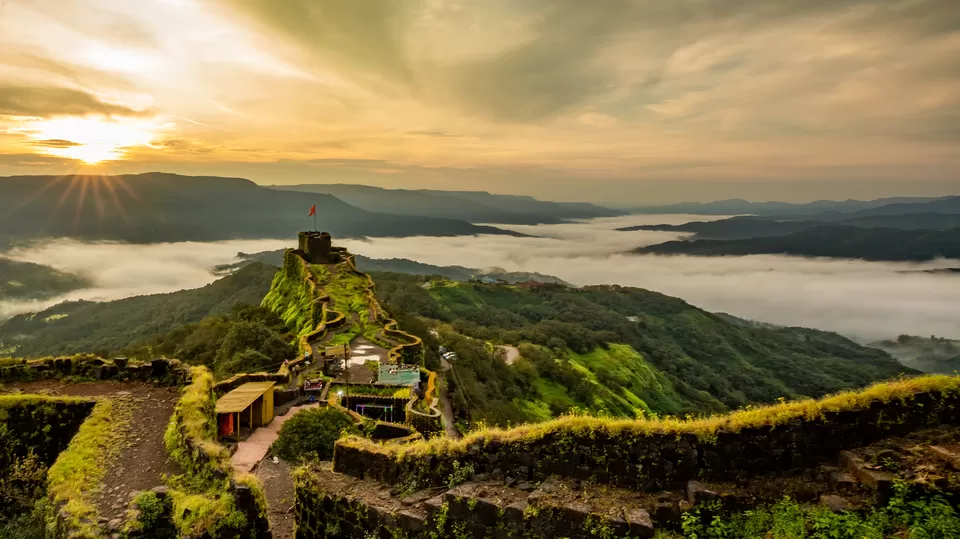
Pratapgad is a mountain fort located in Satara district, Maharashtra, renowned for the historic Battle of Pratapgad in 1659 where Chhatrapati Shivaji Maharaj defeated Afzal Khan. Built in 1656, it stands at 1080 meters above sea level, offering panoramic views and a rich historical experience. The fort is divided into an upper and lower fort, housing temples, a statue of Shivaji Maharaj, and several bastions.
Sinhagad Fort
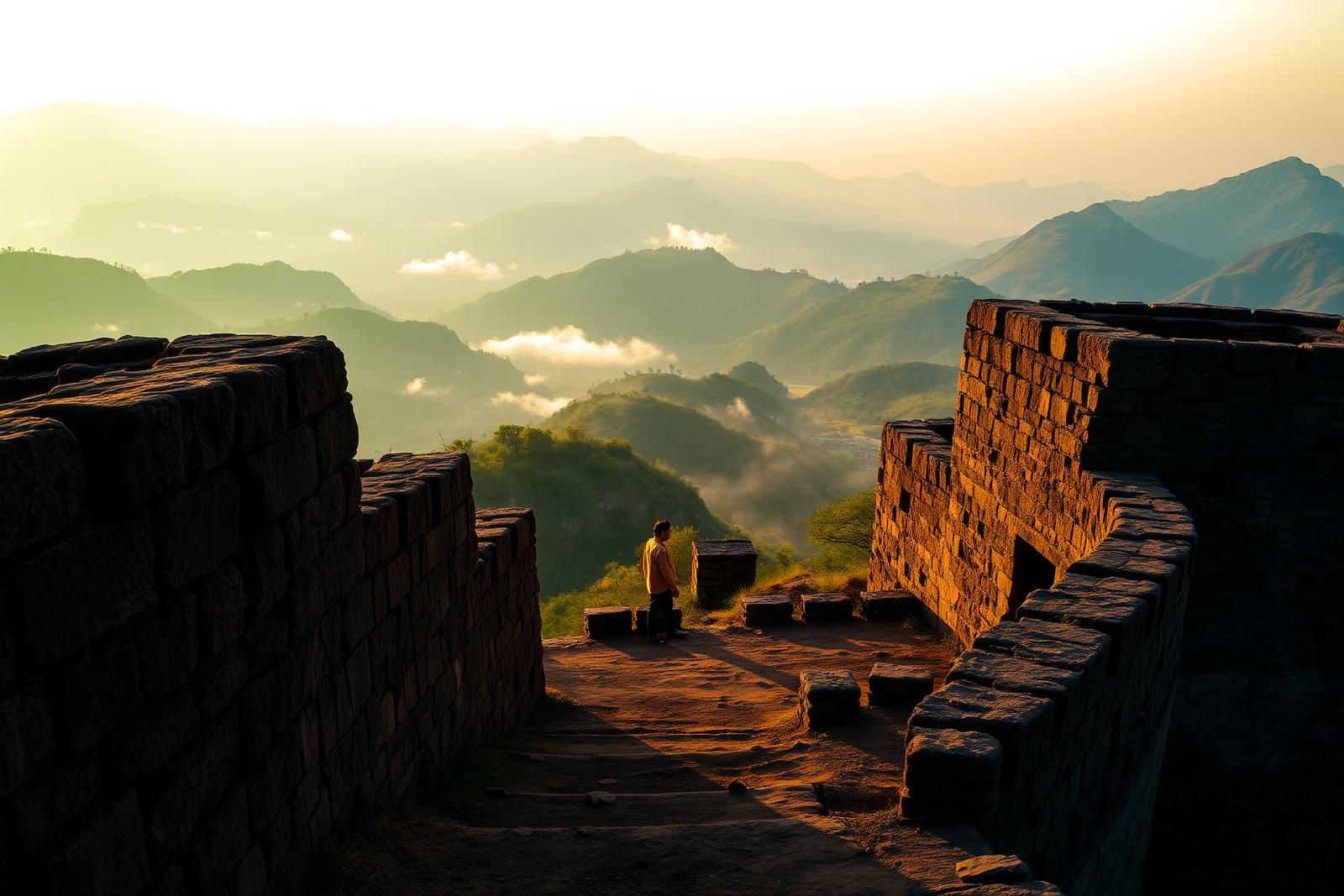
Sinhagad, the Lion's Fort, rises 1,312 metres above the rolling Bhuleshwar range, roughly 30 km southwest of Pune. Once known as Kondhana, the citadel has guarded the western approaches to the Deccan for more than two thousand years, changing hands between the Yadavas, the Bahmanis, the Mughals, and the Marathas. Its name was rewritten on a single February night in 1670, when Tanaji Malusare scaled the western cliff with a monitor lizard and a band of Mavalas to recapture it from Udaybhan Rathod for Chhatrapati Shivaji Maharaj. Tanaji fell in the assault, prompting Shivaji's lament that gave the fort its present name. Today the ramparts open onto sweeping views of Khadakwasla and Panshet reservoirs, the tomb of Tanaji, the samadhi of Rajaram Maharaj, and a constellation of bastions, dargahs and granaries quietly braided into the basalt. The trek begins at Atkarwadi or Donje village and climbs through laterite steps shaded by karvy and bamboo. Monsoon turns the slopes emerald, winter clears the horizon to the Western Ghats' last ridge, and weekend mornings draw Punekars up for kanda bhaji, pithla bhakri and clay-pot curd at the summit stalls.
Panhala Fort
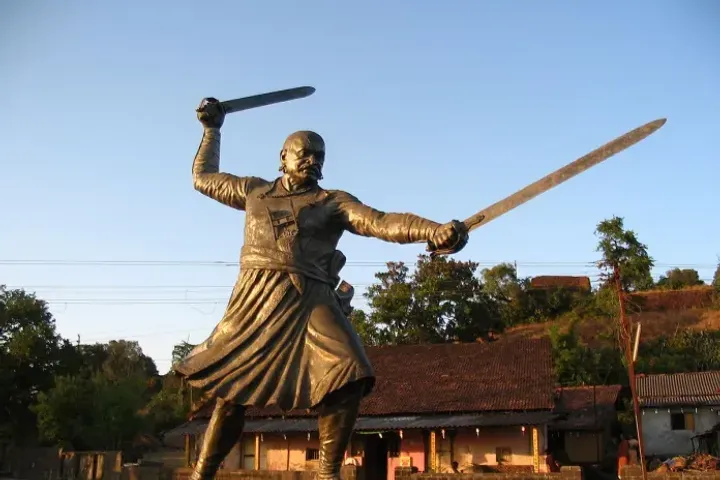
Panhala Fort, also known as Panhalgad, is a majestic hill fort located 20 km northwest of Kolhapur. Built by the Shilahara dynasty, it holds immense historical significance, particularly for its association with Chhatrapati Shivaji Maharaj, including his famous escape from the siege of Panhala. The fort's sprawling walls, ancient gateways, and unique architectural features make it a symbol of Maratha heritage.
Murud-Janjira Fort
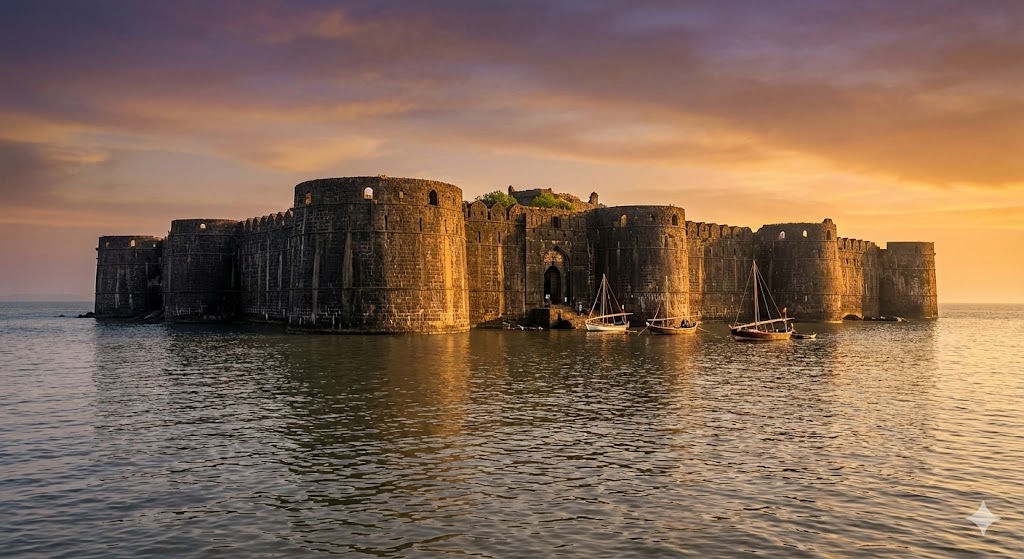
Murud-Janjira Fort is a majestic sea fort located on an oval-shaped rock island off the coast of Murud in Raigad district, Maharashtra. Renowned for remaining unconquered despite numerous attempts by the Marathas, Mughals, and Portuguese, it stands as a testament to the architectural prowess and military might of the Siddis who ruled it. The fort is accessible by sailboats from Rajapuri jetty.
Sindhudurg Fort
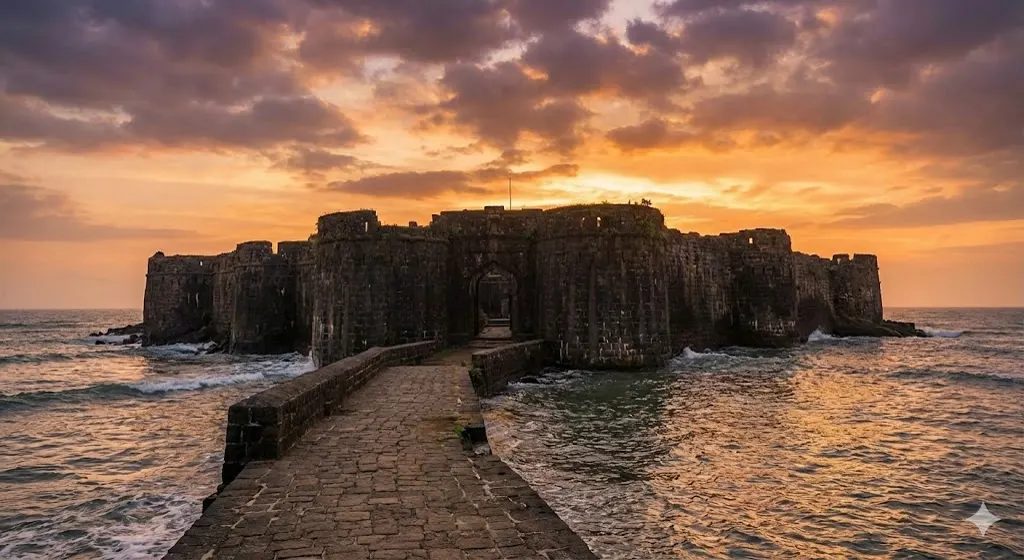
Sindhudurg Fort is a historic sea fort built by Chhatrapati Shivaji Maharaj between 1664 and 1667 off the coast of Malvan. Constructed on Kurte Island, it was designed to protect the Maratha Empire from foreign naval threats and remains a magnificent symbol of military strategy and architectural brilliance. The fort is renowned for its massive walls, hidden entrance, and the unique presence of Shivaji Maharaj's handprints and footprints.
Daulatabad Fort
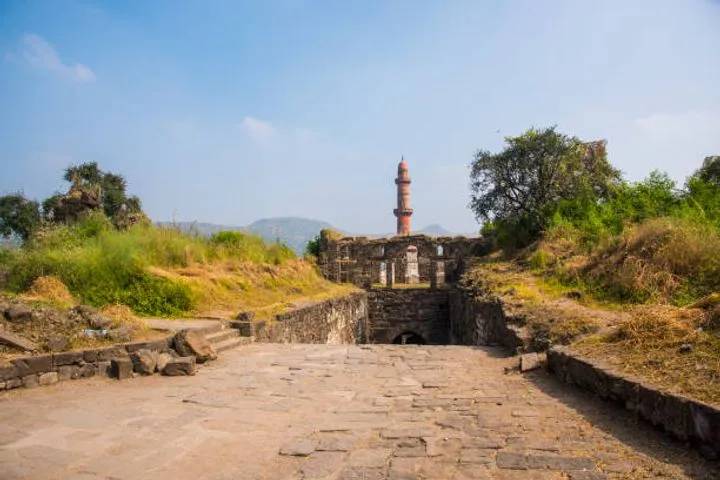
Daulatabad Fort, originally known as Devagiri (Hill of Gods), is a historic fortified citadel near Aurangabad. It served as the capital of the Yadava dynasty, briefly the capital of the Delhi Sultanate, and later a secondary capital of the Ahmadnagar Sultanate. Known for its ingenious defense mechanisms, including a unique single entrance/exit, a dark labyrinth, and a deep moat, the fort stands on a conical hill 200 meters high.
Rajgad Fort
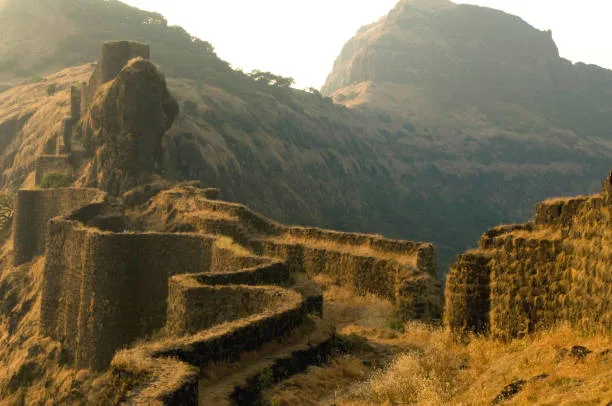
Rajgad, meaning 'King of Forts', served as the capital of Chhatrapati Shivaji Maharaj's Hindavi Swarajya for 26 years. Perched at 1376 meters in the Sahyadri range, it is a testament to Maratha pride and architectural brilliance. The fort features three Machis (Padmavati, Suvela, Sanjivani) and the Balekilla, offering panoramic views and a rich historical experience.
Torna Fort
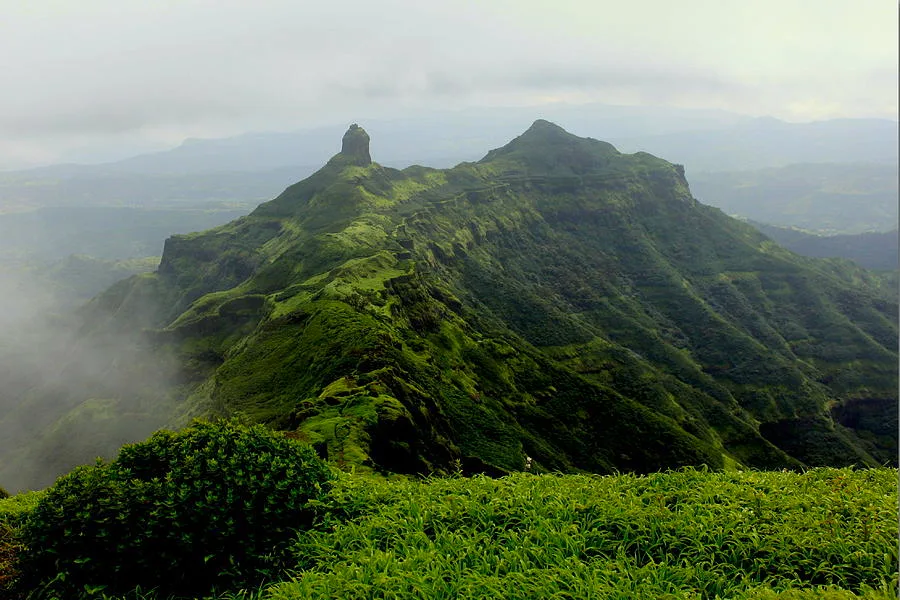
Torna Fort, also known as Prachandagad, is the highest hill fort in Pune district, standing at 1403 meters. It holds immense historical significance as the first fort captured by Chhatrapati Shivaji Maharaj at the age of 16, laying the foundation for Hindavi Swarajya. The fort features massive ramparts, historic gateways, ancient temples, and offers breathtaking panoramic views of the Sahyadri mountain ranges.
Harishchandragad Fort
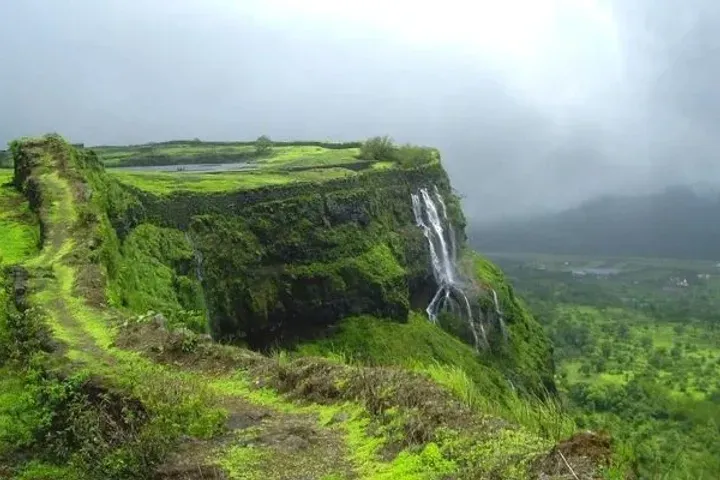
Harishchandragad is an ancient hill fort in the Ahmednagar district, renowned for its historical significance, challenging treks, and unique natural beauty. Dating back to the 6th century, it features ancient caves, temples, and the spectacular Konkan Kada, a massive concave cliff. The fort offers a blend of adventure, history, and stunning panoramic views of the Western Ghats.
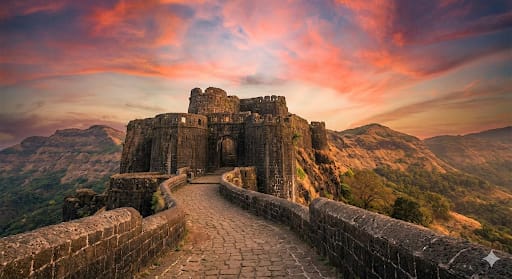
Lohagad Fort
Lohagad Fort, meaning 'Iron Fort', is a historic hill fort located near Lonavala in Maharashtra. Standing at an elevation of 1,033 meters, it is renowned for its robust architecture and strategic importance throughout various dynasties, including the Marathas and Mughals. Its most distinctive feature is the 'Vinchukada' or 'Scorpion's Tail', a fortified ridge resembling a scorpion's sting.
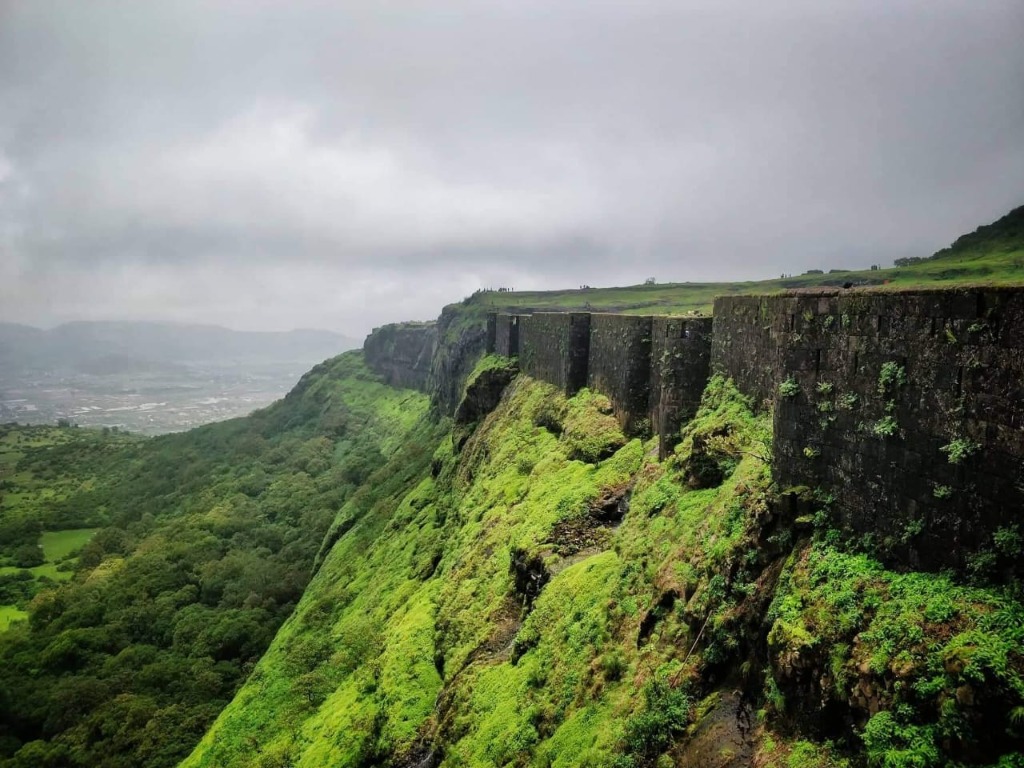
Visapur Fort
Visapur Fort is a historic hill fortress located near Lonavala, strategically positioned on the same plateau as its twin fort, Lohagad. Built by Balaji Vishwanath, the first Peshwa of the Maratha Empire, in the early 18th century, it played a crucial role in controlling the Borghats pass. The fort is famous for its massive fortifications, ancient ruins, and a thrilling monsoon waterfall trek that attracts adventurers and history enthusiasts alike.
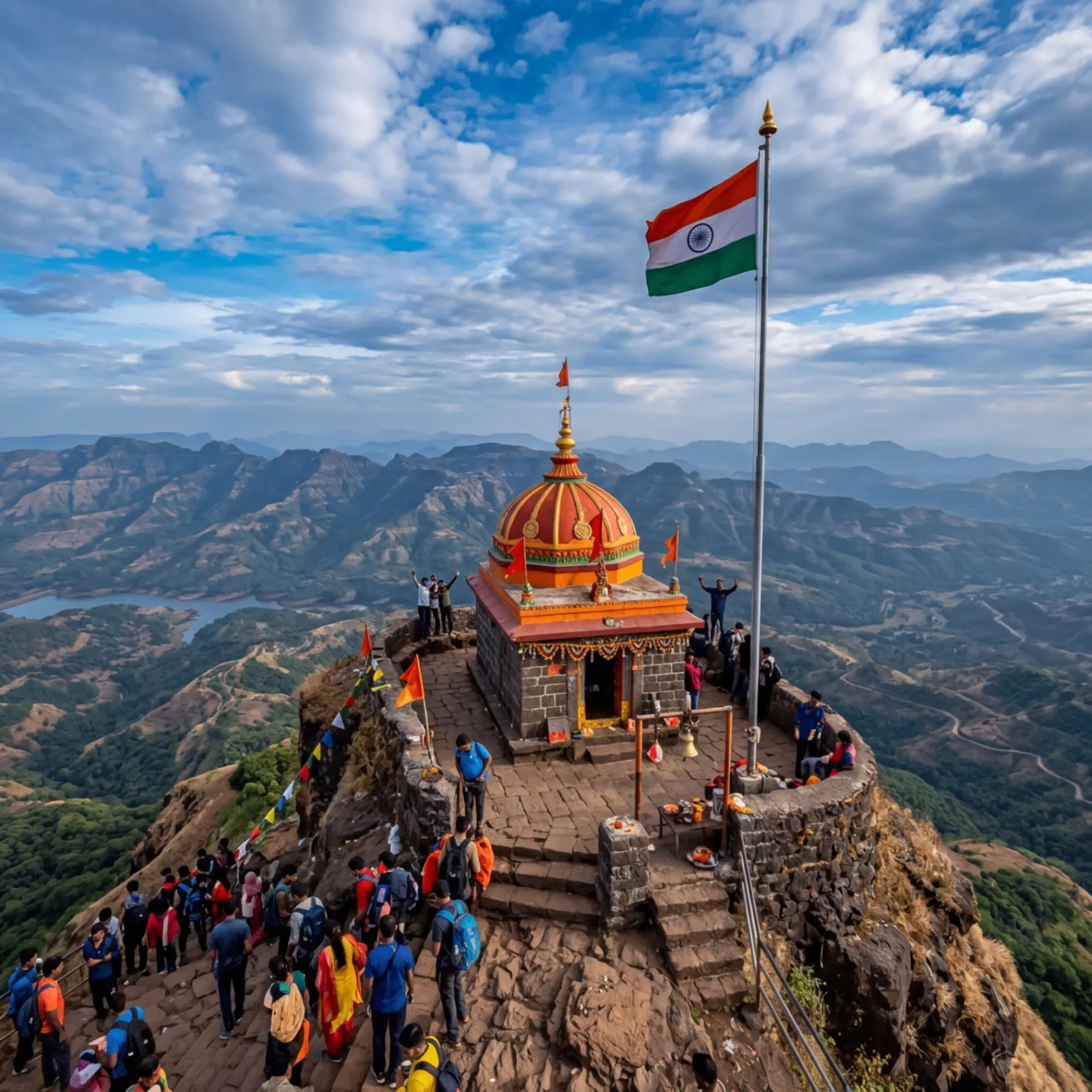
Kalsubai Peak
Kalsubai Peak, standing at 1,646 meters (5,400 ft), is the highest point in Maharashtra, earning it the moniker 'Everest of Maharashtra'. It is a popular trekking destination, offering breathtaking panoramic views of the Sahyadri mountain ranges. The peak is also home to the sacred Kalsubai Temple, dedicated to a local goddess, drawing both trekkers and devotees. The trek involves navigating through picturesque landscapes, farmlands, and challenging iron ladders, making it a rewarding experience for adventure enthusiasts.

Harihar Fort
Harihar Fort, also known as Harshagad, is a unique hill fort in the Nashik district of Maharashtra, famous for its iconic near-vertical rock-cut steps. Standing at 1,120 meters above sea level, the fort offers a thrilling trekking experience with its 80-degree inclined stairs. It played a strategic role in guarding trade routes and has a rich history dating back to the Yadava dynasty.
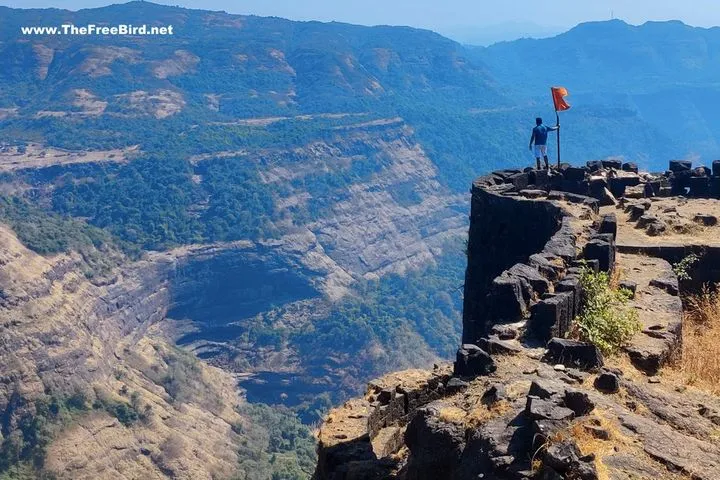
Rajmachi Fort
Rajmachi Fort is a historic hill fort comprising two twin fortresses, Shrivardhan and Manaranjan, located in the Sahyadri mountains. Strategically positioned to control the ancient Bor Ghat trade route, it boasts a rich history spanning from the Satavahanas to the Marathas and British. Famous for its lush monsoon greenery, cascading waterfalls, and the magical pre-monsoon fireflies festival, Rajmachi offers a captivating blend of history, nature, and adventure.
Salher Fort
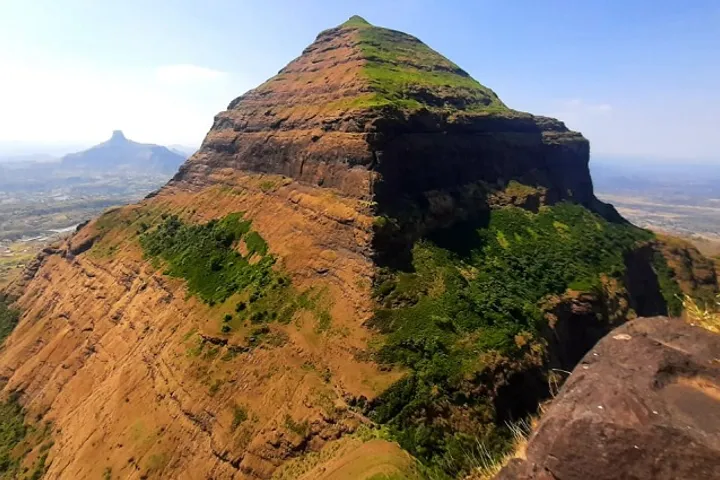
Salher Fort, standing at an impressive 1,567 metres (5,141 feet), is the highest fort in Maharashtra. It holds immense historical significance as the site of the pivotal Battle of Salher in 1672, where the Marathas achieved a decisive victory over the Mughals. The fort offers a challenging yet rewarding trek, featuring ancient rock-cut steps, temples, caves, and panoramic views of the Baglan region. It is a testament to Maratha military prowess and a popular destination for trekkers and history enthusiasts.
Suvarnadurg Fort
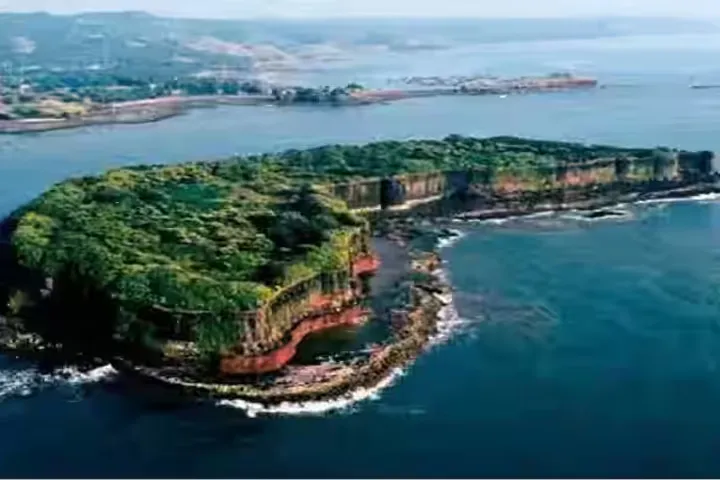
Suvarnadurg, meaning 'Golden Fort', is a magnificent sea fort on a small island in the Arabian Sea off the coast of Harnai. Built to strengthen the Maratha Navy, it is famously known as the birthplace of the legendary Admiral Kanhoji Angre. The fort was a crucial naval base that protected the Konkan coast from the British, Portuguese and Siddis. Its massive walls, sea-facing gates and sweet water tanks in a salt-water environment make it a marvel of medieval engineering.
Ratangad Fort
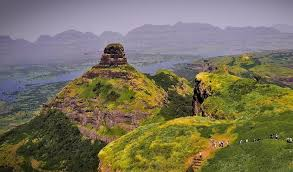
Ratangad Fort, often called the 'Jewel of the Sahyadris', is an ancient hill fort located in the Ahmednagar district of Maharashtra. Overlooking the scenic Bhandardara region, this fort is renowned for its historical significance, unique natural formations like the 'Nedhe' (Eye of the Needle), and the 1200-year-old Amruteshwar Temple at its base. It offers a challenging yet rewarding trek with panoramic views of the surrounding peaks and valleys.
Tikona Fort
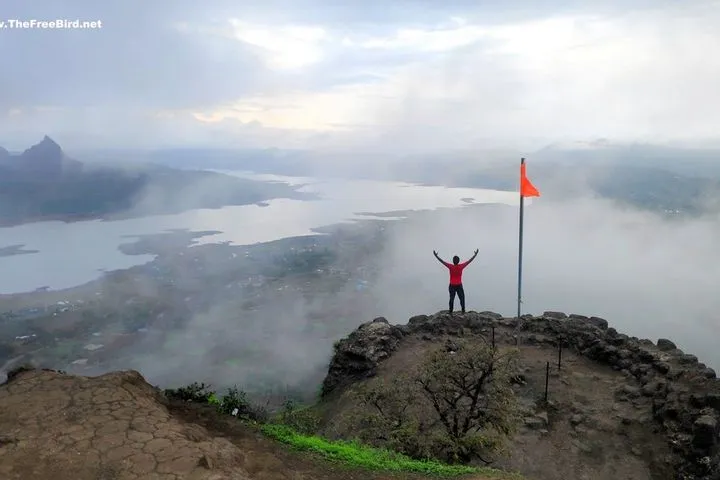
Tikona Fort, also known as Vitandgad, is a prominent hill fort characterized by its distinctive pyramidal shape. Located in the Maval region, it offers breathtaking panoramic views of Pawna Lake, Lohagad, Visapur, and Tung forts. Historically significant, it has been under the control of various dynasties, including the Nizam Shahi, Marathas, and British.
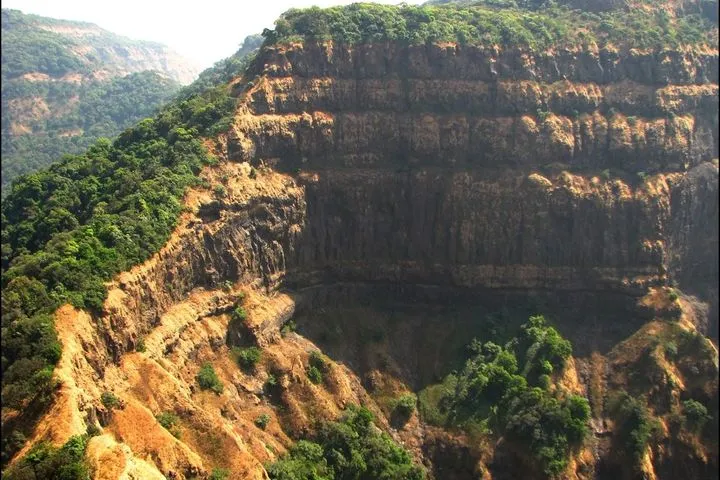
Vasota Fort
Vasota Fort, also known as Vyaghragad (Tiger Fort), is a historic hill fort nestled deep within the dense forests of the Koyna Wildlife Sanctuary. Its unique accessibility, involving a boat ride across Shivsagar Lake followed by a jungle trek, makes it a thrilling destination for adventure and nature enthusiasts. The fort offers a glimpse into Maratha history and stunning views of the surrounding wilderness.
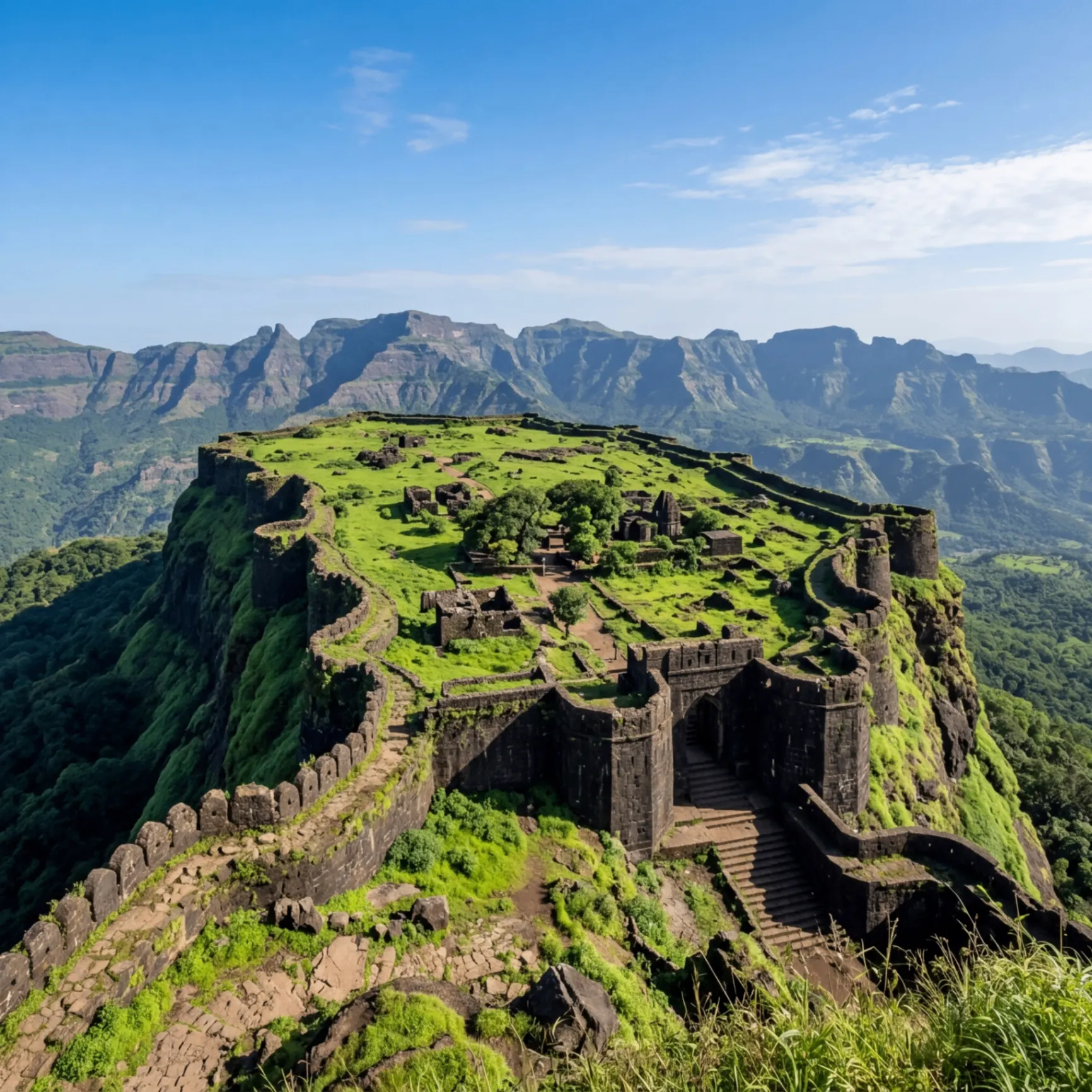
Sajjangad Fort
Sajjangad Fort, originally known as Parali Fort, is a hill fort located near Satara in Maharashtra. It is famously known as the final resting place (Samadhi) of Saint Ramdas, the spiritual guru of Chhatrapati Shivaji Maharaj. The fort, meaning "Fort of Good People," is a significant pilgrimage site and a blend of historical grandeur and spiritual serenity.
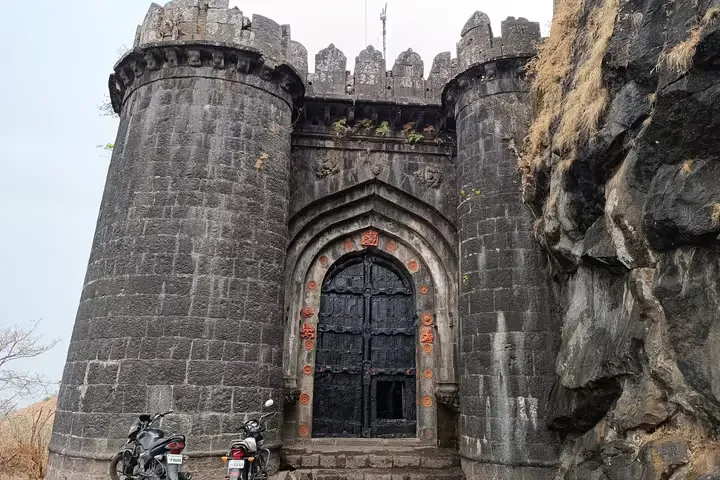
Ajinkyatara Fort
Ajinkyatara Fort, meaning 'The Impregnable Star', is a historic hill fort located on one of the seven mountains surrounding Satara city. Built in the 12th century by the Shilahara dynasty, it has witnessed numerous power struggles and played a significant role in Maratha history. The fort offers panoramic views of Satara city and the surrounding Sahyadri ranges.
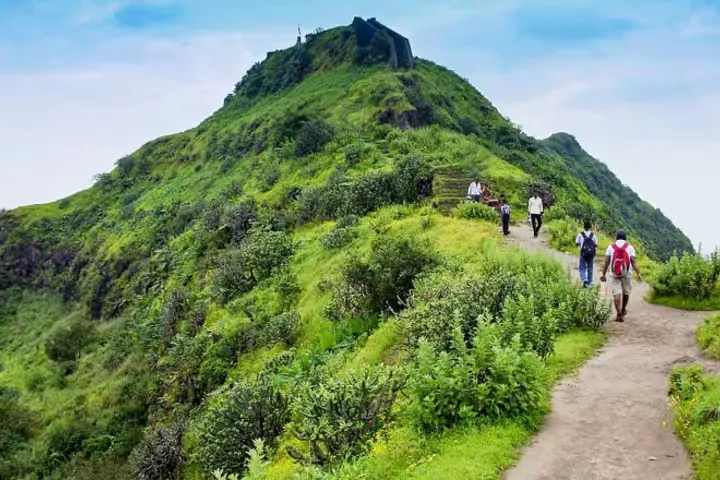
Purandar Fort
Purandar Fort is a prominent hill fort in the Pune district of Maharashtra, known for its rich history and strategic importance. It stands at an altitude of 1,374 meters and is famous as the birthplace of Chhatrapati Sambhaji Maharaj. The fort played a crucial role in Maratha history, particularly during the Treaty of Purandar in 1665. It is currently maintained by the Indian Army.
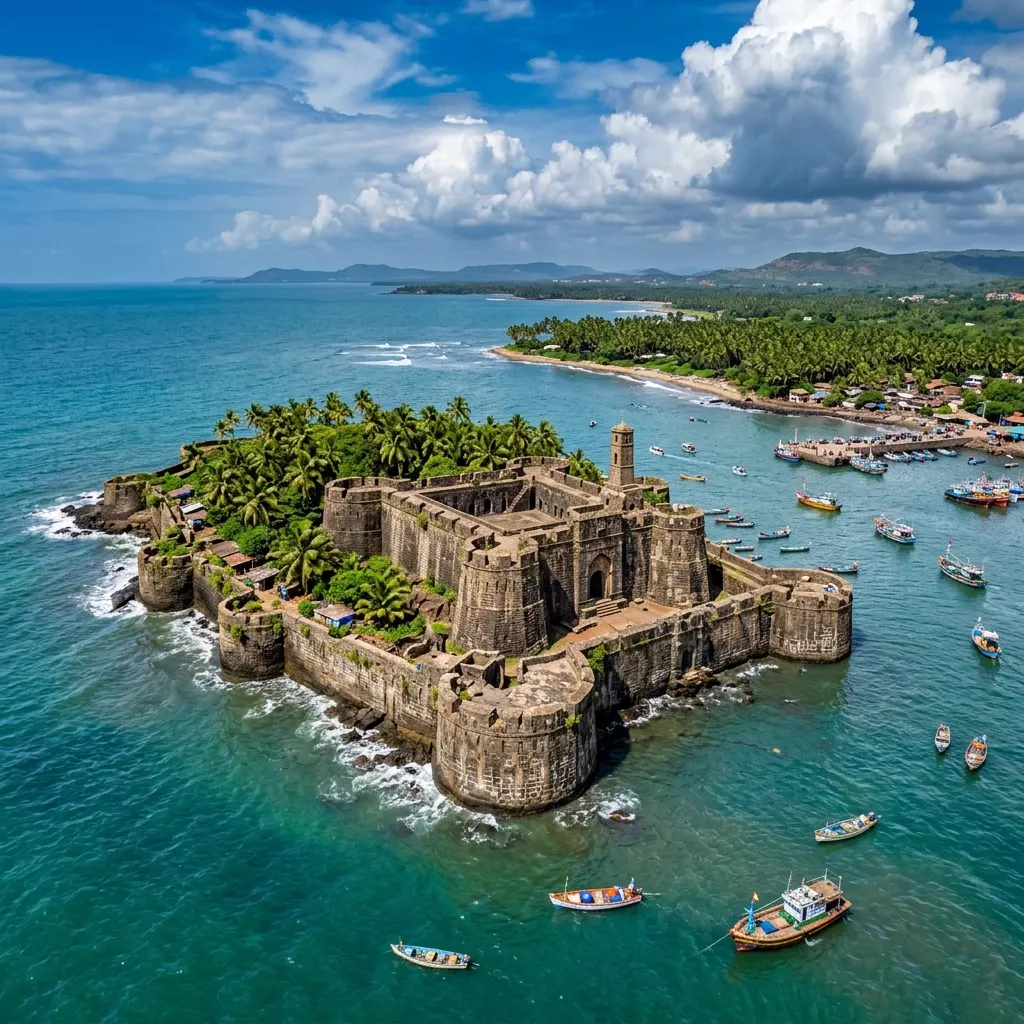
Arnala Fort
Arnala Fort, also known as Jaldurg or Janjire-Arnala, is a historic island fort situated off the coast of Arnala village near Virar. Originally built in 1516 by Sultan Mahmud Begada of Gujarat, it later fell under Portuguese control for two centuries before being captured by the Marathas under Chimaji Appa in 1737. The fort offers a glimpse into the region's naval history, featuring an octagonal water reservoir, ancient temples, and panoramic views of the Arabian Sea.
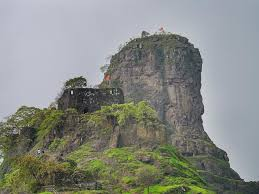
Karnala Fort
Karnala Fort, also known as Funnel Hill, is a historic hill fort nestled within the Karnala Bird Sanctuary in Raigad district. Famous for its distinctive thumb-shaped basalt pinnacle, the fort offers a unique blend of history and nature. It was strategically important, overlooking the Bor pass, a vital trade route. Today, it's a popular destination for trekkers, birdwatchers, and nature enthusiasts, providing panoramic views of the surrounding Sahyadris.
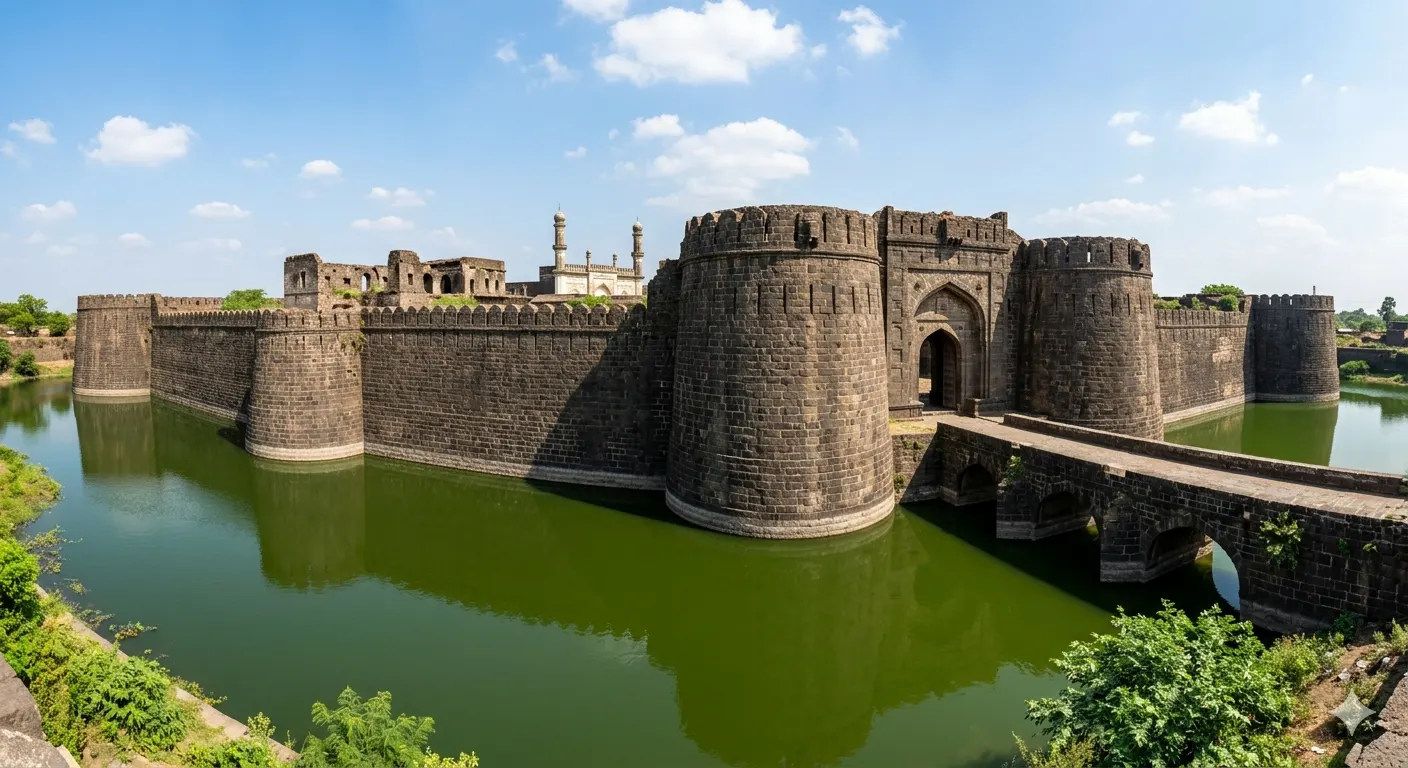
Khanderi Fort
Khanderi Fort, officially known as Kanhoji Angre Island, is a historic sea fort located off the coast of Thal near Alibaug. Built by Chhatrapati Shivaji Maharaj in 1679, it served as a crucial naval base for the Maratha Empire, particularly under the legendary Admiral Kanhoji Angre. The fort is renowned for its strategic importance in controlling the Arabian Sea, its British-era lighthouse, and its rich history of naval battles. It offers a unique island experience, accessible by boat, making it a significant destination for history and sea enthusiasts.
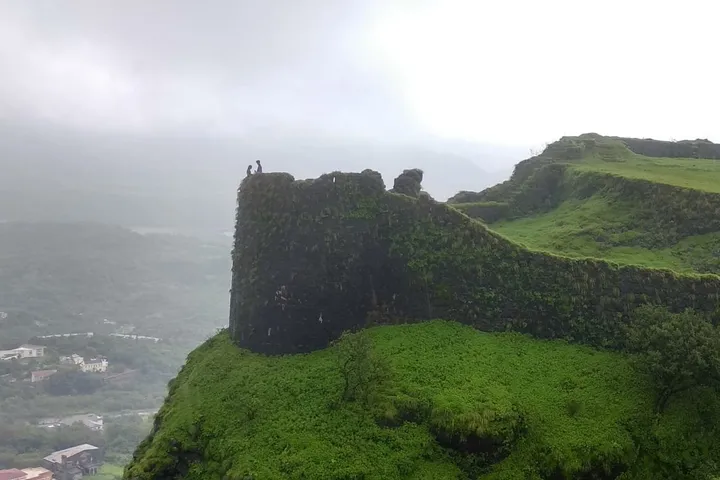
Korigad Fort
Korigad Fort is a well-preserved hill fort located near Lonavala, known for its massive, intact fortifications that allow visitors to walk along its entire perimeter. Dating back before 1500 AD, it was incorporated into Chhatrapati Shivaji Maharaj's kingdom and later became a site of fierce resistance against the British. The fort features several ancient temples, perennial ponds, and impressive cannons, including the famous Laxmi Toph. Its easy accessibility and scenic beauty make it a popular destination for trekkers and families.
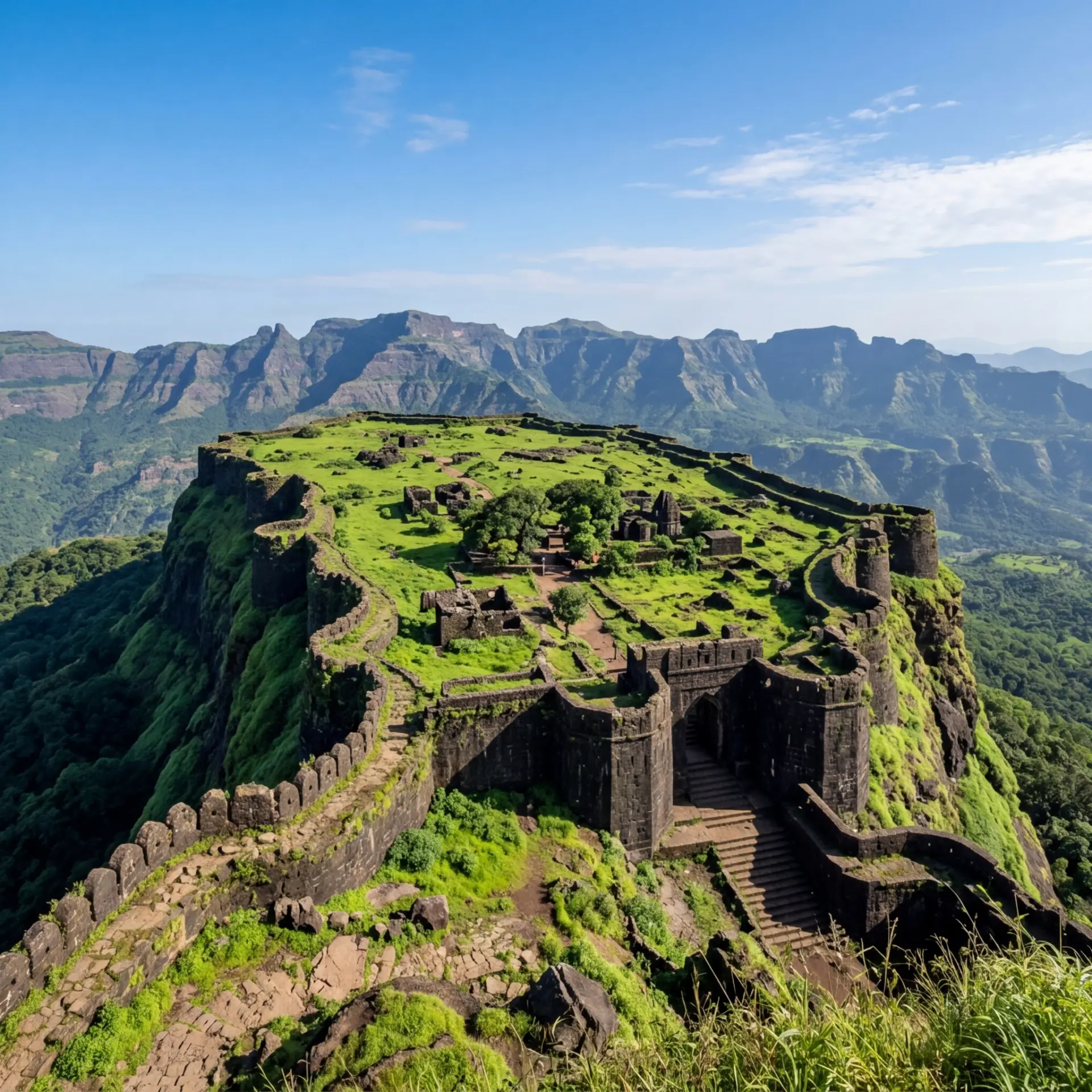
Sudhagad Fort (Bhorapgad)
Sudhagad Fort, also known as Bhorapgad, is a prominent hill fort in the Raigad district of Maharashtra. Its history dates back to the 2nd century B.C., and it was once considered by Chhatrapati Shivaji Maharaj as a potential capital for his Maratha Empire due to its massive plateau and strategic location. The fort is well-preserved and offers a relatively easy trek, making it a popular destination for beginners and families. It is known for its impressive Maha Darwaja, the Bhorai Devi Temple, and panoramic views of the surrounding Sahyadri range.
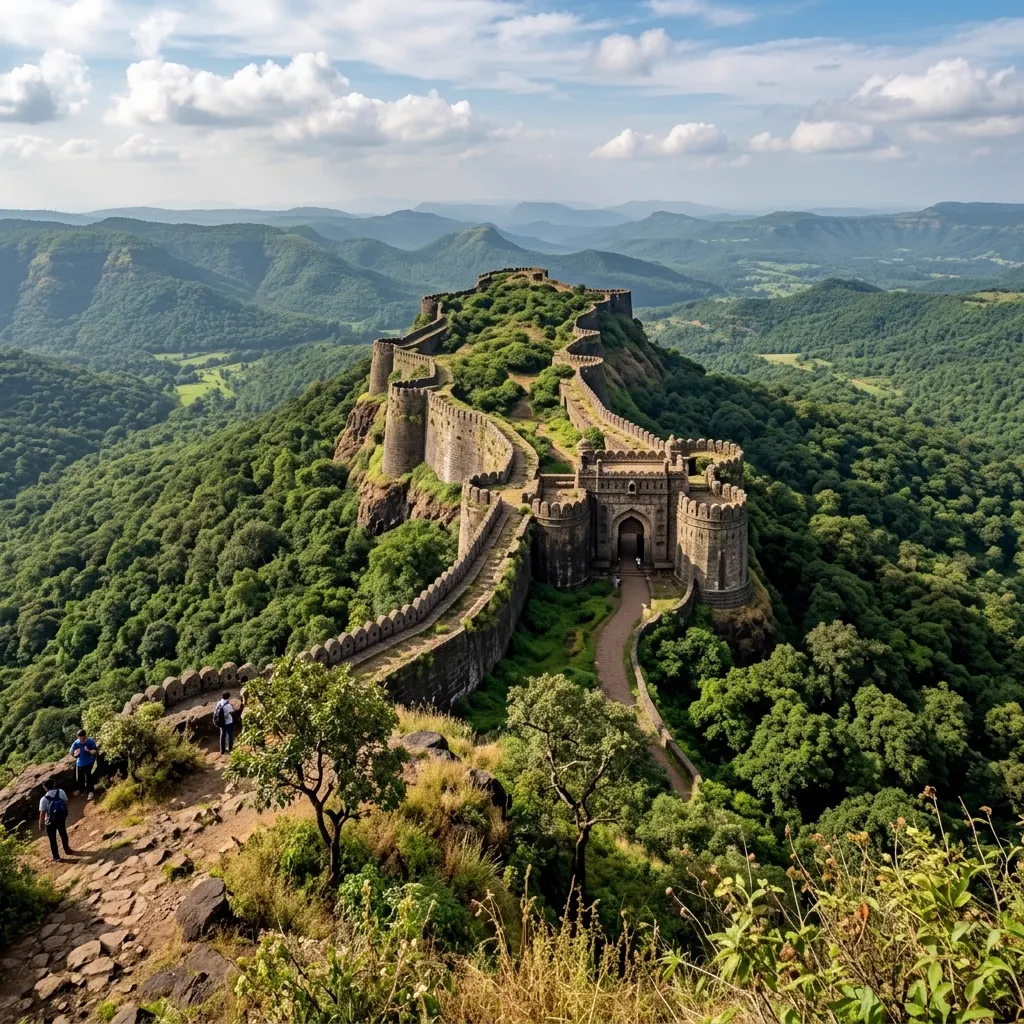
Gandharvagad Fort
Gandharvagad Fort, a hill fort in the Kolhapur district, holds historical significance with connections to Chhatrapati Shivaji Maharaj and various regional powers. Situated on a plateau, it offers remnants of its past, including temples and a well. The fort is easily accessible and provides a glimpse into the Maratha era and the strategic importance of hill forts in Maharashtra.
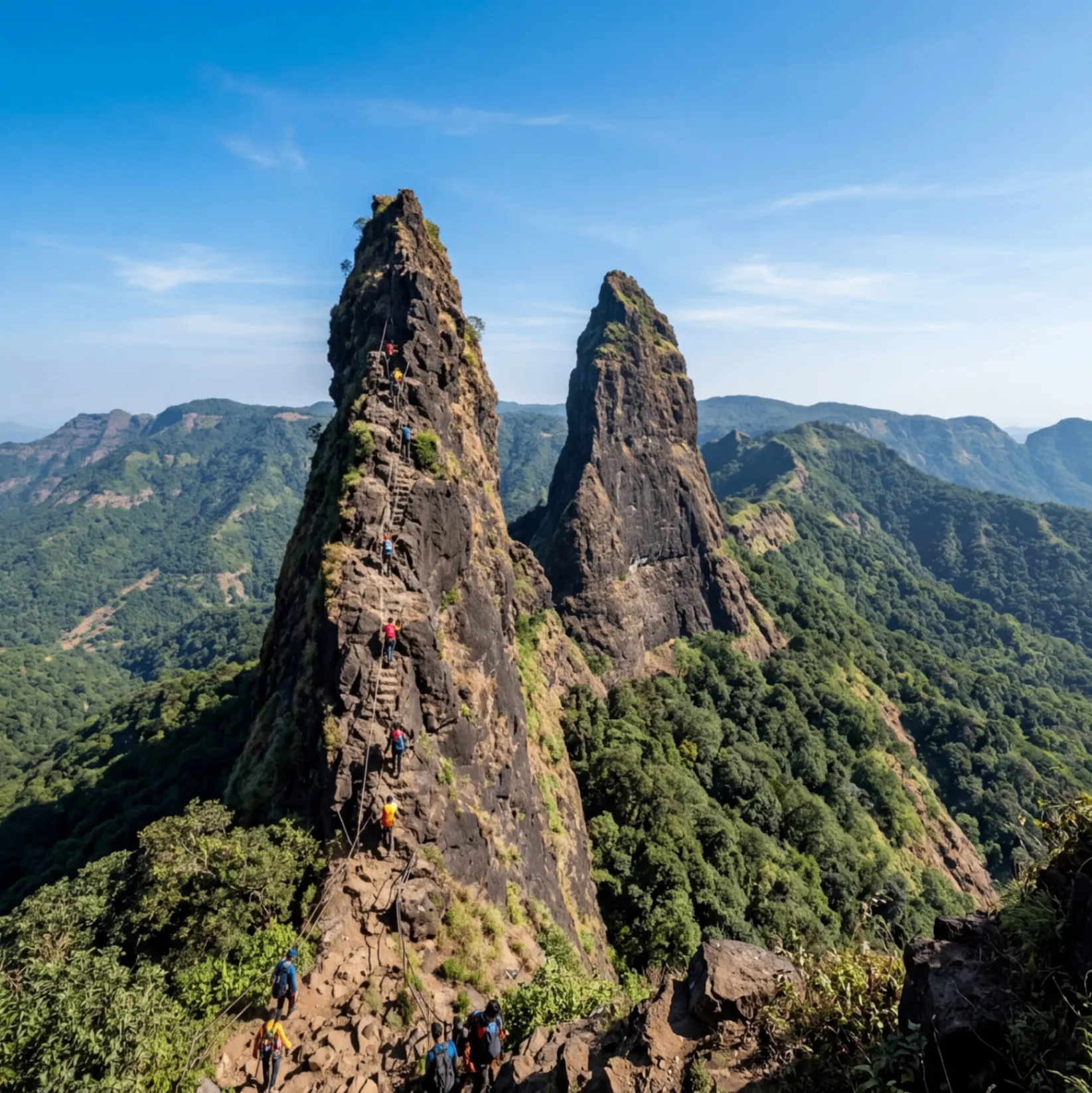
Bhairavgad Fort (Moroshi)
Bhairavgad Fort near Moroshi is one of the most challenging and thrilling treks in the Sahyadris, known for its formidable rock-cut steps and exposed patches. Believed to be ancient, it served as a strategic outpost overlooking crucial trade routes like Kalyan-Junnar and Naneghat-Jivdhan. The fort offers breathtaking views of the Malshej Ghat region and is a favorite among experienced trekkers and adventure enthusiasts seeking technical climbing and rappelling experiences.