
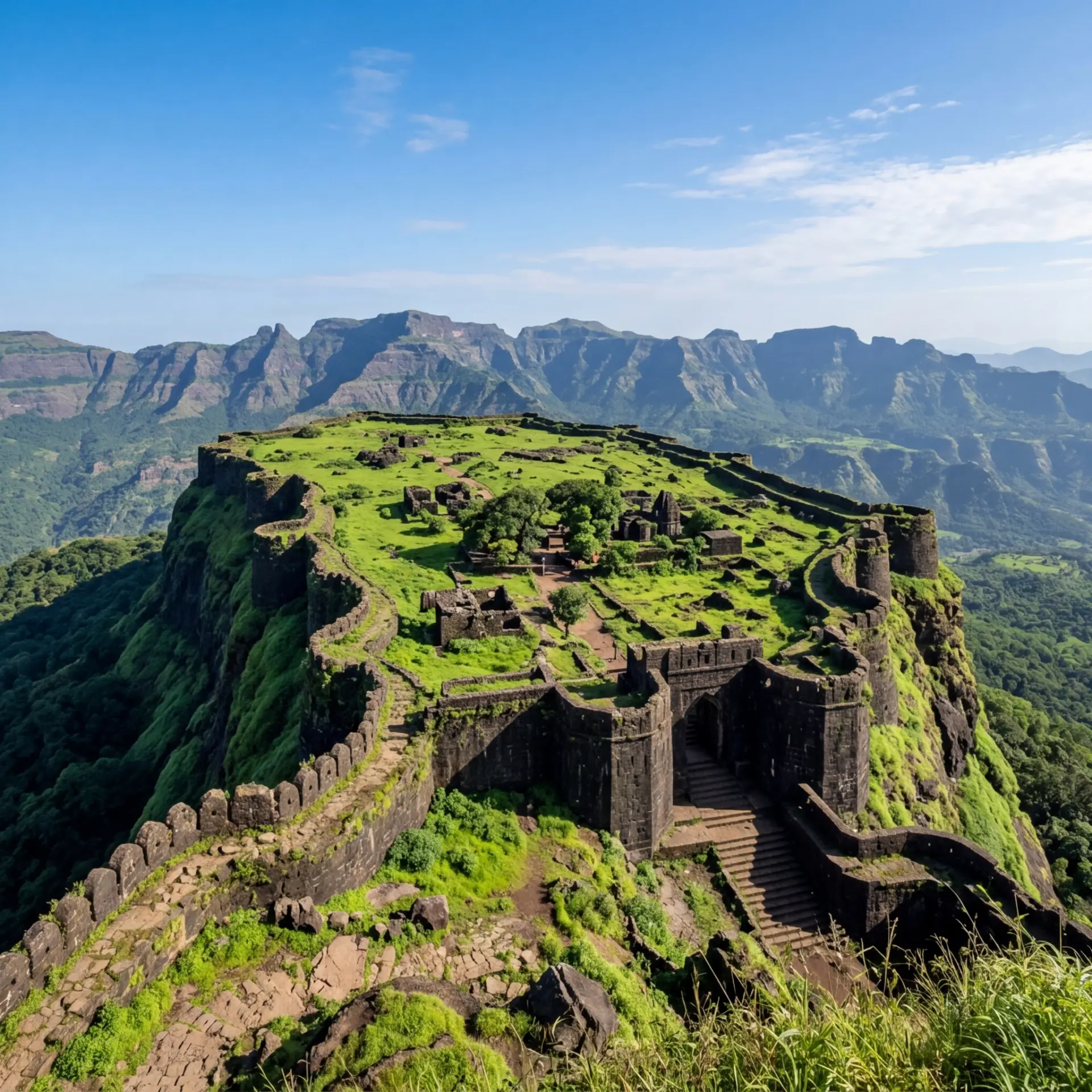
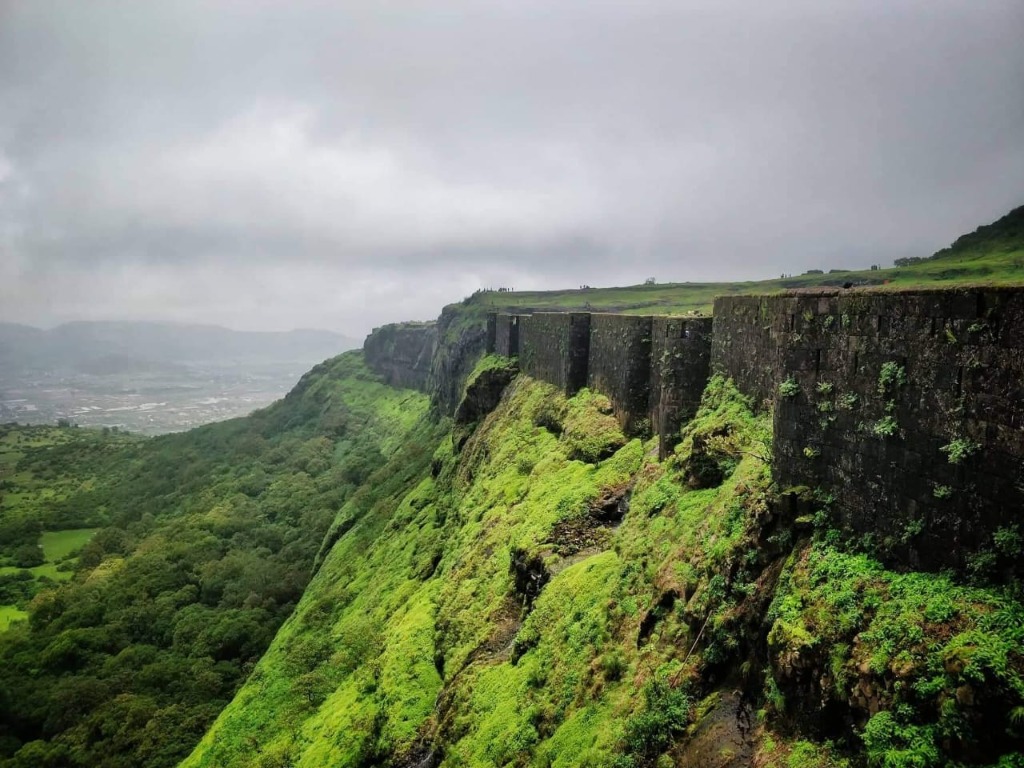
Sudhagad Fort, also known as Bhorapgad, is a prominent hill fort in the Raigad district of Maharashtra. Its history dates back to the 2nd century B.C., and it was once considered by Chhatrapati Shivaji Maharaj as a potential capital for his Maratha Empire due to its massive plateau and strategic location. The fort is well-preserved and offers a relatively easy trek, making it a popular destination for beginners and families. It is known for its impressive Maha Darwaja, the Bhorai Devi Temple, and panoramic views of the surrounding Sahyadri range.
HISTORIC PLATEAU · MAHA DARWAJA · BHORAI DEVI TEMPLE
SUDHAGAD FORT (BHORAPGAD) FORT
SUDHAGAD FORT (BHORAPGAD) — A MARATHA LEGACY
Sudhagad Fort, also known as Bhorapgad, is a historically significant hill fort in Maharashtra's Raigad district. Once considered a potential capital by Chhatrapati Shivaji Maharaj, its massive plateau, impressive Maha Darwaja, and ancient Bhorai Devi Temple make it a captivating destination. Offering an easy to moderate trek, Sudhagad is perfect for history enthusiasts and nature lovers seeking a blend of heritage and scenic beauty.
सुधागड (भोरपगड) — स्वराज्याची संभाव्य राजधानी
मार्ग निवडा · Choose Your Path
Chronicles of the Fort
Wander through history, ramparts, kitchens, and trails — pick a chapter below.
Tap a chapter to switchTap to switch
From Ancient Outpost to Maratha Ambition
The origins of Sudhagad Fort can be traced back to the 2nd century B.C., a period when nearby Thanale and Khadsamble caves were also carved. Initially named Bhorapgad after its presiding deity, Goddess Bhoraidevi, the fort served as a strategic point in the ancient trade routes connecting the Konkan coast to the Deccan plateau.
In 1436, the fort fell under the control of the Bahamani Sultanate. However, its most significant transformation occurred in 1657 when the Marathas, under the leadership of Chhatrapati Shivaji Maharaj, captured it and renamed it 'Sudhagad,' meaning 'the sweet one.' Shivaji Maharaj was so impressed by its massive plateau and natural defenses that he reportedly considered it as a potential capital for his nascent Maratha Empire, before ultimately choosing Raigad due to its more central location.
During the Peshwa regime, the fort was entrusted to the 'Pantsachivas' of Bhor, who maintained it. Unlike many other forts that suffered extensive damage or destruction during British rule, Sudhagad largely escaped their wrath. Today, while some structures are in ruins, the fort's main features, including its impressive gates and temples, remain relatively well-preserved, offering a tangible link to its glorious past.
Shivaji's Consideration
Sudhagad's strategic importance and expansive plateau led Chhatrapati Shivaji Maharaj to consider it as the capital of his Maratha Empire.
- 2nd Century B.C.Ancient Origins
Fort's existence as Bhorapgad, named after Bhoraidevi.
- 1657 CEMaratha Capture
Renamed Sudhagad by Chhatrapati Shivaji Maharaj.
- 17th CenturyCapital Contender
Considered by Shivaji Maharaj as a potential capital.
"Sudhagad is a testament to Maharashtra's rich history, a fort that whispers tales of ancient trade, Maratha valor, and strategic foresight."Ancient Trade, Maratha Valor, Strategic Foresight
Key Landmarks
Must See
Maha Darwaja
The impressive main gate, a highlight of the fort's architecture.
Must See
Bhorai Devi Temple
The ancient temple dedicated to the fort's patron goddess.
Pantsachiv Wada
The ruins of the administrative residence on the fort.
Takmak Point
A cliff edge offering expansive views.
Water Cisterns & Lakes
Several water bodies on the plateau, some providing potable water.
Local Flavors at the Base
Must-Try Dishes
Pithla Bhakri
VEGA traditional Maharashtrian staple, often available at local eateries.
₹80-150
Vada Pav
VEGA popular and quick snack.
₹20-40
Zunka Bhakri
VEGAnother rustic Maharashtrian dish.
₹100-180
Best Restaurants
- Local Eateries (Thakurwadi)Thakurwadi Village · Basic Maharashtrian · ₹100-250/personSpeciality: Homemade meals, tea, snacks
Nearby Activities & Experiences
Sudhagad Fort Trek
Thakurwadi Village
An easy to moderate trek to the fort top, suitable for most.
Free
Fort Exploration
Fort Plateau
Explore the vast plateau, temples, and ruins.
Free
Camping
Fort Plateau (near Wada/Temple)
Overnight camping is possible on the fort's plateau.
Free (carry own gear)
Photography
Throughout the trek and fort
Capture historical structures and scenic views.
Free
Where to Stay
Pantsachiv Wada / Bhorai Devi Temple
On Fort Top · Basic Accommodation
Simple shelter for overnight stay, inquire with locals.
Homestays (Thakurwadi)
Thakurwadi Village · Basic Accommodation · ₹500-1000/night
Limited options, inquire locally.
Safety Alerts
- Trails can be slippery during monsoon; wear appropriate footwear.Season: monsoon
- Carry sufficient water, especially during summer, as water sources on the fort may not be reliable.Season: summer
- Be mindful of wildlife, as the area is part of Sudhagad Wildlife Sanctuary.Season: all
Police: Nearest police station in Pali.
Medical: Primary Health Centers in Pali; larger hospitals in nearby towns.
What Visitors Say
"Sudhagad is a fantastic fort for a day trek, offering a great blend of history, natural beauty, and an easy climb. The Maha Darwaja is truly impressive!"
Top Positives
- ✓Easy to moderate trek
- ✓Massive plateau for exploration
- ✓Well-preserved Maha Darwaja
- ✓Historical significance
Pro Tips
- →Combine with a visit to Pali Ganpati Mandir.
- →Consider an overnight stay on the fort for a unique experience.
- →Explore the alternate route via Dhondase village for the Mahadarwaja.
4.5
(Many reviews (from trekkers and history enthusiasts))
Frequently Asked Questions
What is the history of Sudhagad Fort (Bhorapgad) Fort?
Sudhagad Fort (Bhorapgad) Fort stands in Raigad district, Maharashtra, and dates to 2nd Century B.C.. Sudhagad Fort, also known as Bhorapgad, is a prominent hill fort in the Raigad district of Maharashtra. Its history dates back to the 2nd century B.C., and it was once considered by Chhatrapati Shivaji Maharaj as a potential capital for his Maratha Empire due to its massive plateau and strategic location. The fort is well-preserved and offers a relatively easy trek, making it a popular destination for beginners and families. It is known for its impressive Maha Darwaja, the Bhorai Devi Temple, and panoramic views of the surrounding Sahyadri range.
How to reach Sudhagad Fort (Bhorapgad) Fort?
Sudhagad Fort (Bhorapgad) Fort: Base village Thakurwadi is accessible by road. The trek from Thakurwadi is well-marked. It lies in Raigad district, Maharashtra (Near Pali, Raigad District, Maharashtra).
What is the trek distance and difficulty of Sudhagad Fort (Bhorapgad) Fort?
Sudhagad Fort (Bhorapgad) Fort is a moderate trek of about 5 km, taking roughly 2.5 hours, rising to 620 m.
What is the best time to visit Sudhagad Fort (Bhorapgad) Fort?
The best time to visit Sudhagad Fort (Bhorapgad) Fort is october to February (winter) for pleasant weather; monsoon for lush greenery.
What is the entry fee for Sudhagad Fort (Bhorapgad) Fort?
Entry to Sudhagad Fort (Bhorapgad) Fort: Free (parking fees may apply)..
जवळचे किल्ले · Explore More
Nearby Forts to Explore
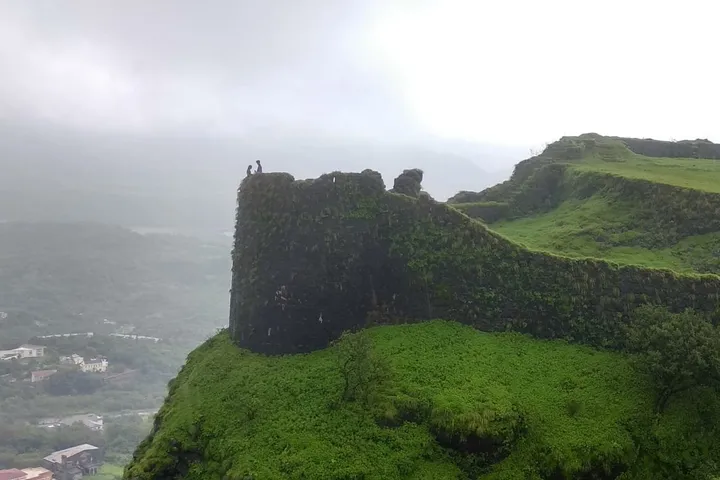
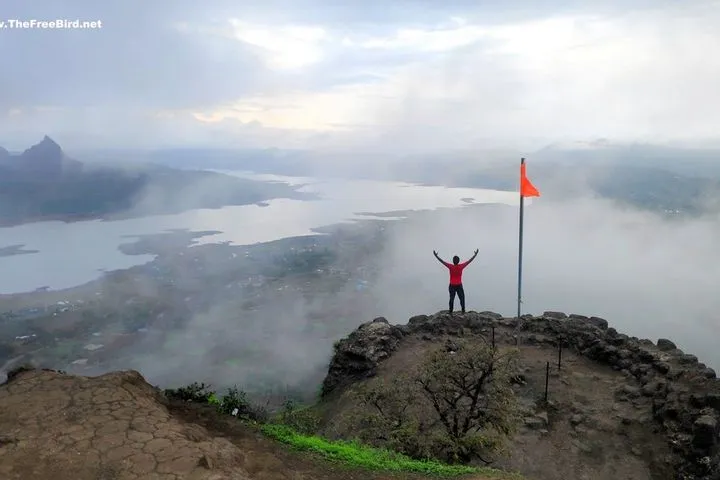
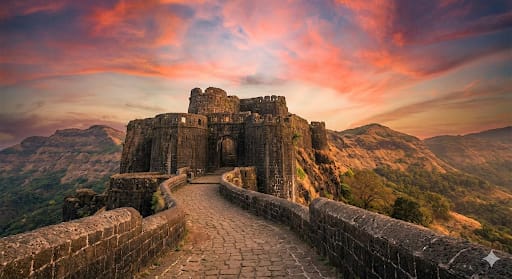
Discover other Maharashtra forts close by — plan a multi-fort trek or weekend heritage trail.
संदर्भ · References
References & Further Reading
Authoritative sources for Sudhagad Fort (Bhorapgad) Fort — verify history, location and photos on Wikipedia, Google Maps, Wikimedia Commons and official government portals.
- ↗WikipediaSudhagad Fort (Bhorapgad) Fort on Wikipedia
- ↗Google MapsSudhagad Fort (Bhorapgad) Fort on Google Maps
- ↗Wikimedia CommonsSudhagad Fort (Bhorapgad) Fort photos on Wikimedia Commons
- ↗Maharashtra Tourism (Govt.)Maharashtra Tourism — Forts
- ↗ASIArchaeological Survey of India
External links open in a new tab. Durgved is not affiliated with the linked sources.