
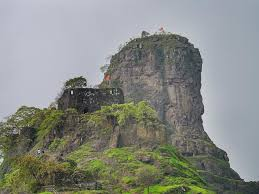
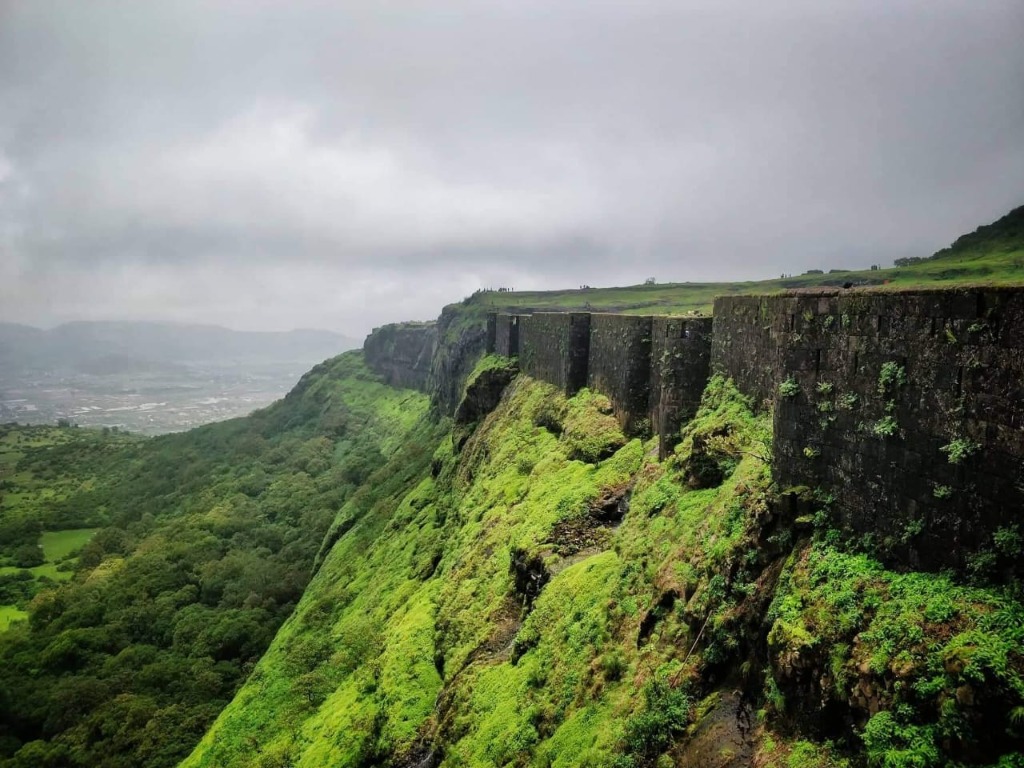
Karnala Fort, also known as Funnel Hill, is a historic hill fort nestled within the Karnala Bird Sanctuary in Raigad district. Famous for its distinctive thumb-shaped basalt pinnacle, the fort offers a unique blend of history and nature. It was strategically important, overlooking the Bor pass, a vital trade route. Today, it's a popular destination for trekkers, birdwatchers, and nature enthusiasts, providing panoramic views of the surrounding Sahyadris.
BIRD SANCTUARY · UNIQUE PINNACLE · HISTORIC FORT
KARNALA FORT
KARNALA FORT — THE THUMB OF RAIGAD
Karnala Fort, with its iconic thumb-shaped pinnacle, stands majestically within the Karnala Bird Sanctuary. This historic fort, once a strategic outpost guarding ancient trade routes, now offers a delightful trek through a rich ecosystem. It's a perfect blend of natural beauty, historical intrigue, and birdwatching opportunities, making it an ideal day trip from Mumbai or Pune.
कर्नाळा किल्ला — पक्षी अभयारण्यातील बुरुज
मार्ग निवडा · Choose Your Path
Chronicles of the Fort
Wander through history, ramparts, kitchens, and trails — pick a chapter below.
Tap a chapter to switchTap to switch
A Strategic Stronghold Through Centuries
The origins of Karnala Fort are believed to predate 1400 CE, with its construction attributed to the Devagiri Yadavs and later the Tughlaq rulers. Its strategic location, commanding the vital Bor pass that connected the Konkan coast to the Deccan Plateau, made it a highly coveted possession for centuries.
Throughout its history, Karnala witnessed numerous power struggles. It fell under the control of the Gujarat Sultanate, was briefly taken by Nizam Shah of Ahmednagar, and even saw Portuguese garrisons stationed within its walls. A significant turning point came in 1670 when the formidable Chhatrapati Shivaji Maharaj conquered the fort from the Mughals, incorporating it into his burgeoning Maratha Empire.
After Shivaji Maharaj's demise, the fort continued to be a point of contention, passing through the hands of Aurangzeb, the Peshwas, and finally, in 1818, the British East India Company. Today, the fort's ruins, along with its unique basalt pinnacle, stand as a silent testament to its glorious past and the strategic importance it held in shaping the region's history.
Guardian of the Pass
Karnala Fort's primary role was to control the Bor pass, a crucial artery for trade and military movement between the Konkan and Deccan regions.
- Before 1400 CEEarly Construction
Built by Devagiri Yadavs/Tughlaqs, serving as a regional capital.
- 1670 CEShivaji Maharaj's Conquest
Integrated into the Maratha Empire, strengthening its western defenses.
- 1818 CEBritish Takeover
The fort falls to the British, ending its active military role.
"The 'Thumb' of Karnala stands tall, a silent witness to centuries of history, guarding the secrets of ancient trade routes and fierce battles."Silent Witness to History
Key Landmarks
Must See
Karnala Pinnacle (Thumb Peak)
The most distinctive feature, a 125 ft high basalt column, visible from miles away.
Must See
Karnala Bird Sanctuary
A protected area surrounding the fort, famous for its diverse avian population.
Water Cisterns
Several rock-cut water tanks, some providing potable water year-round.
Inscriptions
Remnants of Marathi and Persian inscriptions on the fort gates, though some are indecipherable or removed.
Local Flavors of Panvel and Surrounds
Must-Try Dishes
Vada Pav
VEGA popular Indian fast food, a deep-fried potato dumpling in a bun.
₹20-40
Poha
VEGFlattened rice dish, a common breakfast item.
₹30-60
Kanda Bhaji
VEGOnion fritters, especially popular during monsoon.
₹50-100
Misal Pav
VEGA spicy curry made of sprouted beans, topped with farsan, onion, and coriander, served with pav.
₹70-120
Best Restaurants
- Canteen at Karnala Bird SanctuaryBase of Fort · Basic Snacks · ₹50-150/personSpeciality: Tea, coffee, biscuits, instant noodles
- Local Dhabas (Panvel-Goa Highway)Near Panvel · Maharashtrian/North Indian · ₹150-400/personSpeciality: Authentic local cuisine
Nearby Activities & Experiences
Karnala Fort Trek
Within Karnala Bird Sanctuary
An easy to moderate trek to the fort summit, offering historical exploration and panoramic views.
Sanctuary entry fee
Birdwatching
Karnala Bird Sanctuary
Spot diverse resident and migratory bird species.
Sanctuary entry fee
Nature Trails
Karnala Bird Sanctuary
Explore various walking trails through the dense forest.
Sanctuary entry fee
Photography
Throughout the fort and sanctuary
Capture the unique pinnacle, birds, and scenic landscapes.
Camera fees apply
Where to Stay
Forest Rest House (Karnala)
Within Sanctuary · Limited availability
Basic accommodation, close to nature.
Hotels/Resorts in Panvel/Lonavala
Nearby Cities · ₹1500-6000+/night
Wide range of options, modern amenities.
Safety Alerts
- Be cautious of bee hives near the pinnacle; avoid making loud noises or cooking nearby.Season: all
- Monkeys are common; do not carry food openly and avoid direct eye contact.Season: all
- The trail can be slippery during monsoon; wear appropriate footwear.Season: monsoon
Police: Panvel City Police Station
Medical: Primary Health Centers in Panvel; larger hospitals in Navi Mumbai/Mumbai.
What Visitors Say
"Karnala Fort is a fantastic day trek! The bird sanctuary is a bonus, and the views from the top, especially of the 'Thumb,' are incredible. Perfect for beginners and families."
Top Positives
- ✓Unique thumb-shaped pinnacle
- ✓Rich birdlife in sanctuary
- ✓Easy to moderate trek
- ✓Strategic historical importance
Pro Tips
- →Visit early in the morning for better birdwatching and to avoid crowds.
- →Carry binoculars for bird spotting.
- →Combine with a visit to the nearby Gadeshwar Dam or Panvel for a full day out.
- →Wear light, comfortable clothing suitable for trekking.
4.5
(Many reviews)
Frequently Asked Questions
What is the history of Karnala Fort?
Karnala Fort stands in Raigad district, Maharashtra, and dates to Before 1400 CE. Karnala Fort, also known as Funnel Hill, is a historic hill fort nestled within the Karnala Bird Sanctuary in Raigad district. Famous for its distinctive thumb-shaped basalt pinnacle, the fort offers a unique blend of history and nature. It was strategically important, overlooking the Bor pass, a vital trade route. Today, it's a popular destination for trekkers, birdwatchers, and nature enthusiasts, providing panoramic views of the surrounding Sahyadris.
How to reach Karnala Fort?
Karnala Fort: Located about 10 km from Panvel. Accessible by road (Mumbai-Goa Highway) or train to Panvel, followed by local transport. It lies in Raigad district, Maharashtra (Within Karnala Bird Sanctuary, Panvel, Raigad District, Maharashtra).
What is the trek distance and difficulty of Karnala Fort?
Karnala Fort is a moderate trek of about 2.69 km, taking roughly 1.5 hours, rising to 439 m.
What is the best time to visit Karnala Fort?
The best time to visit Karnala Fort is october to April for birdwatching; Monsoon for lush greenery and unique experience.
What is the entry fee for Karnala Fort?
Entry to Karnala Fort: Sanctuary entry fees and camera charges apply..
जवळचे किल्ले · Explore More
Nearby Forts to Explore
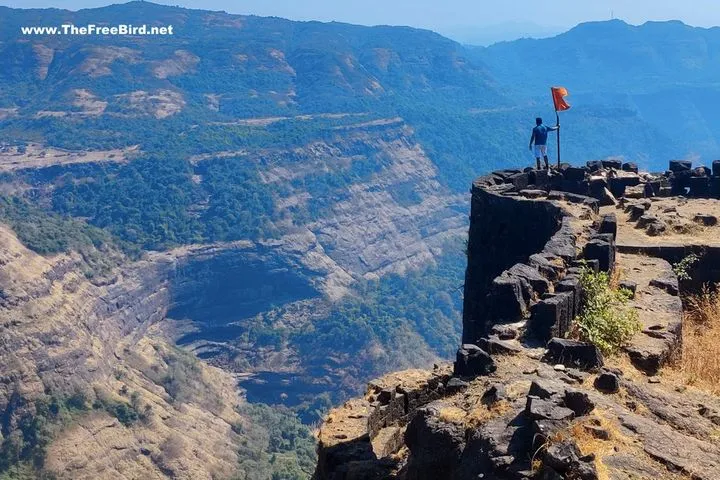
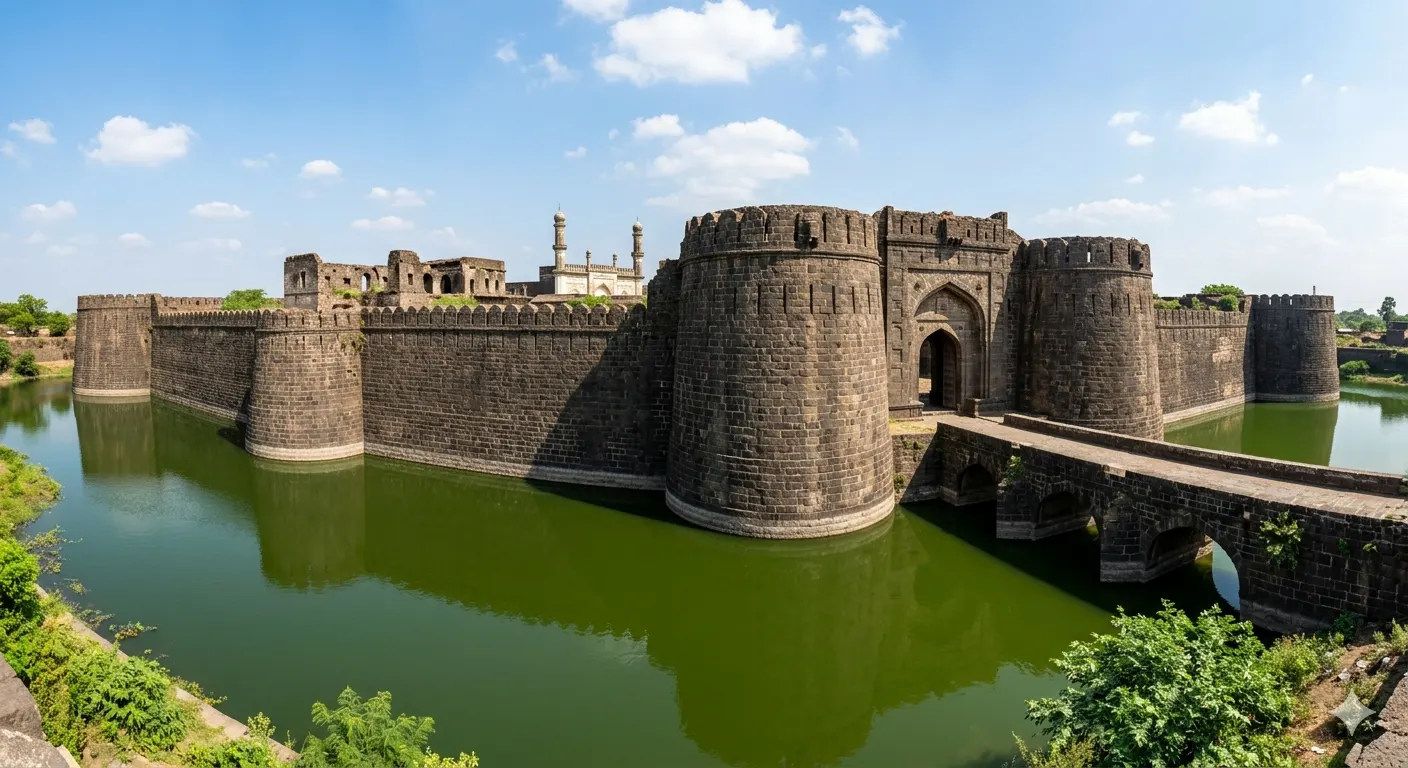
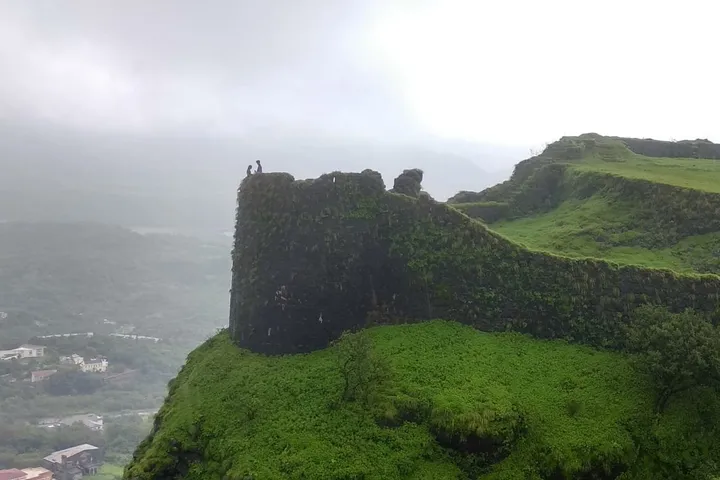
Discover other Maharashtra forts close by — plan a multi-fort trek or weekend heritage trail.
संदर्भ · References
References & Further Reading
Authoritative sources for Karnala Fort — verify history, location and photos on Wikipedia, Google Maps, Wikimedia Commons and official government portals.
- ↗WikipediaKarnala Fort on Wikipedia
- ↗Google MapsKarnala Fort on Google Maps
- ↗Wikimedia CommonsKarnala Fort photos on Wikimedia Commons
- ↗Maharashtra Tourism (Govt.)Maharashtra Tourism — Forts
- ↗ASIArchaeological Survey of India
External links open in a new tab. Durgved is not affiliated with the linked sources.