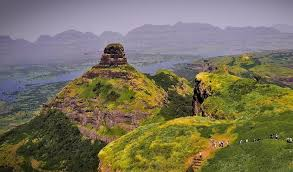
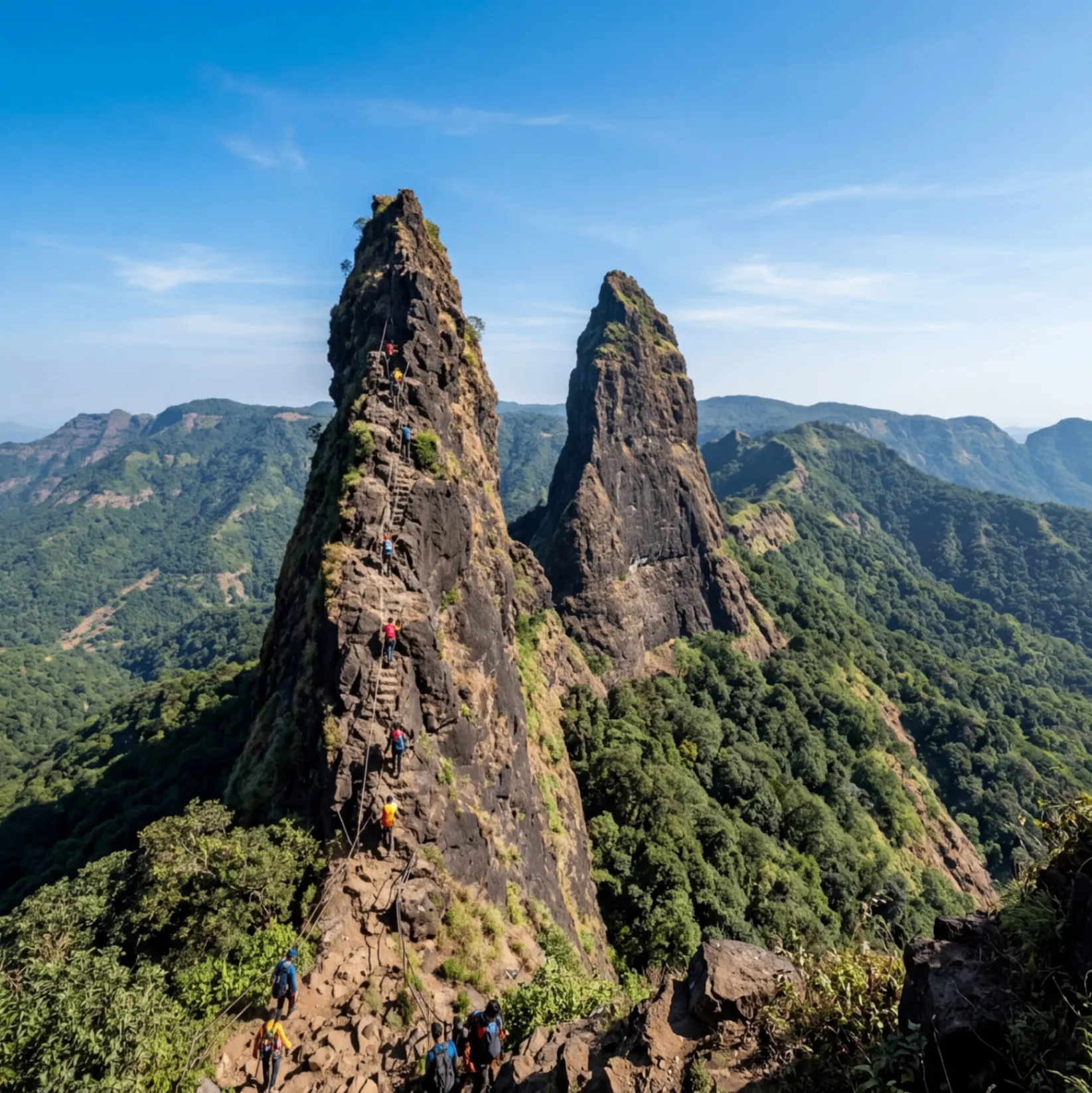
Ratangad Fort, often called the 'Jewel of the Sahyadris', is an ancient hill fort located in the Ahmednagar district of Maharashtra. Overlooking the scenic Bhandardara region, this fort is renowned for its historical significance, unique natural formations like the 'Nedhe' (Eye of the Needle), and the 1200-year-old Amruteshwar Temple at its base. It offers a challenging yet rewarding trek with panoramic views of the surrounding peaks and valleys.
HILL FORT · ANCIENT TEMPLE · NATURAL WONDER
RATANGAD FORT
RATANGAD FORT — THE JEWEL OF SAHYADRIS
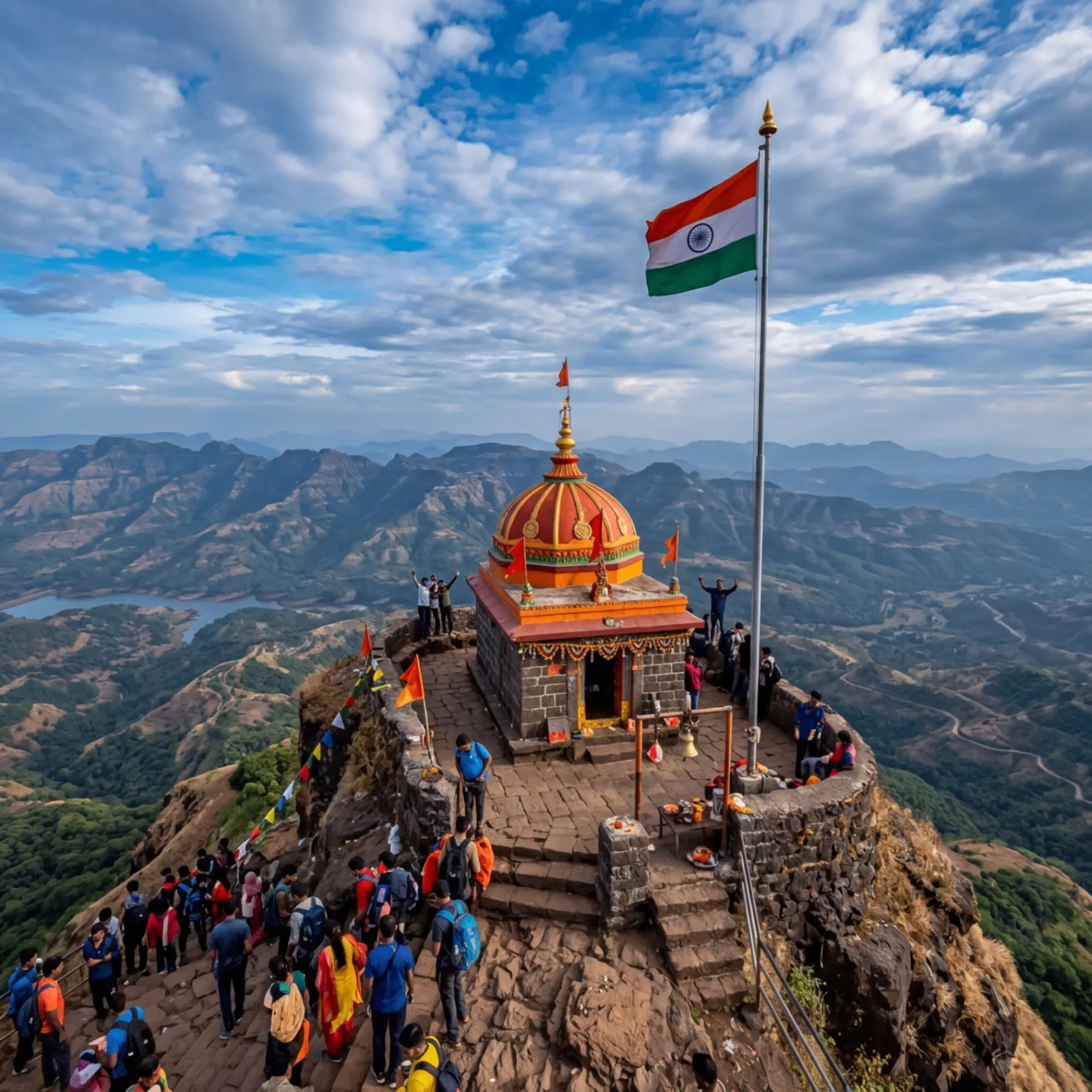
Ratangad Fort, a majestic hill fort in the Ahmednagar district, offers a captivating blend of history, adventure, and natural beauty. Famous for its ancient Amruteshwar Temple, the unique 'Nedhe' rock formation, and panoramic views of the Sahyadris, it's a must-visit for trekkers and history enthusiasts seeking an unforgettable experience.
रतनगड किल्ला — सह्याद्रीचे रत्न
मार्ग निवडा · Choose Your Path
Chronicles of the Fort
Wander through history, ramparts, kitchens, and trails — pick a chapter below.
Tap a chapter to switchTap to switch
From Ancient Temples to Maratha Stronghold
The history of Ratangad is deeply rooted in the region's ancient past. The magnificent Amruteshwar Temple at its base, built in the Hemadpanti style, dates back to the 9th century CE under the Shilahara dynasty, with later influences from the Yadava dynasty. This temple stands as a testament to the area's long-standing cultural and religious significance.
The fort itself, estimated to be around 400 years old in its current form, has seen various rulers. Its strategic location, overlooking the Bhandardara region and key trade routes, made it a coveted possession. It was notably captured by Chhatrapati Shivaji Maharaj in the 17th century, who recognized its immense military importance. Under Maratha rule, Ratangad served as a crucial watchtower, guarding the Konkan area and acting as a defensive outpost in the Sahyadri ranges.
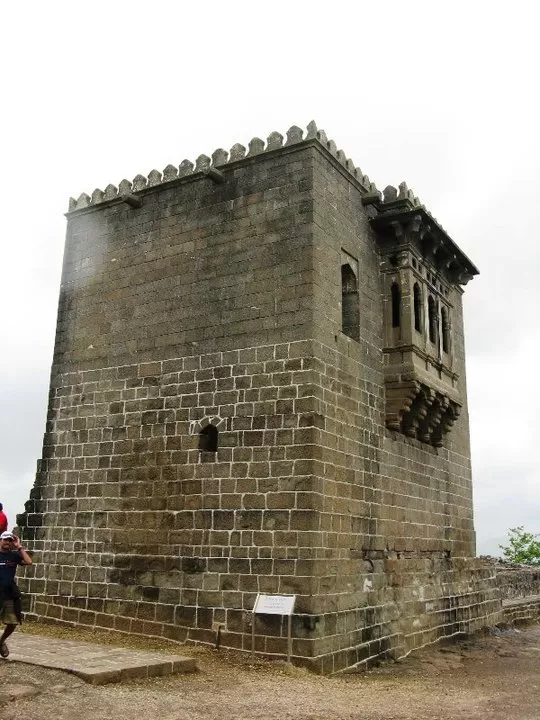
The fort's natural elevation and robust rock-cut structures provided an ideal defense, communication, and protection system. Today, the remnants of its bastions, gates, water tanks, and caves continue to tell tales of its glorious past, attracting historians and adventurers alike.
A Fort of Many Eras
Ratangad's history spans centuries, from ancient temple builders to the strategic genius of Chhatrapati Shivaji Maharaj.
- 9th Century CEAmruteshwar Temple Construction
Built by the Shilahara dynasty at the base of the fort.
- 17th Century CEShivaji Maharaj's Conquest
The fort was incorporated into the Maratha Empire.
"Ratangad is not just a fort; it's a journey through time, where every stone whispers stories of valor and devotion."Whispers of Valor
Key Landmarks
Must See
Amruteshwar Temple
An ancient, beautifully carved Shiva temple at Ratanwadi, a must-visit for its architecture and history.
Must See
Nedhe (Eye of the Needle)
A natural rock formation, a large hole in the mountain, offering a unique viewpoint.
Must See
Trimbak Darwaja
One of the fort's main entrances, known for its rock-cut steps and historical significance.
Kalsubai Peak View
From the fort, one can get clear views of Kalsubai, the highest peak in Maharashtra.
Bhandardara Lake View
Panoramic views of the serene Bhandardara Dam and Arthur Lake.
Local Delights of Bhandardara Region
Must-Try Dishes
Pithla Bhakri
VEGA traditional Maharashtrian gram flour curry served with flatbread.
₹80-150
Zunka Bhakri
VEGA dry gram flour preparation, a local delicacy.
₹80-150
Vada Pav
VEGA popular Indian fast food, a deep-fried potato dumpling in a bun.
₹20-40
Misal Pav
VEGA spicy curry made of sprouted beans, topped with farsan, onion, and coriander, served with pav.
₹70-120
Best Restaurants
- Local Eateries (Ratanwadi/Samrad)Base Villages · Local Maharashtrian · ₹100-250/personSpeciality: Homemade meals, tea, snacks
- Bhandardara Lakeside RestaurantsBhandardara · Various Cuisines · ₹200-500/personSpeciality: Local and multi-cuisine options with scenic views
Nearby Activities & Experiences
Ratangad Fort Trek
From Ratanwadi or Samrad
A moderate to difficult trek offering historical exploration and natural beauty.
Free (guided treks optional)
Amruteshwar Temple Visit
Ratanwadi Village
Explore the ancient Hemadpanti temple at the base of the fort.
Free
Bhandardara Lake Boating
Bhandardara
Enjoy a serene boat ride on Arthur Lake.
Varies
Camping in Caves
Ratangad Fort
Overnight camping is possible in the fort's caves (carry own gear).
Free
Where to Stay
Homestays/Guesthouses (Ratanwadi/Samrad)
Base Villages · ₹800-2000/night
Basic accommodation, local food, guide arrangements.
Hotels/Resorts in Bhandardara
Bhandardara · ₹2000-7000+/night
Wide range of options, scenic views, modern amenities.
Safety Alerts
- The trek involves steep climbs and iron ladders; exercise caution, especially during monsoon.Season: all
- Some sections of the fort are exposed to strong winds, particularly near Nedhe. Be careful.Season: all
- Wildlife is present in the surrounding forests; stay on marked trails and avoid night trekking alone.Season: all
Police: Nearest police station in Akole or Bhandardara.
Medical: Primary Health Centers in nearby villages; larger hospitals in Sangamner or Ahmednagar.
What Visitors Say
"Ratangad is truly the jewel of Sahyadris! The Nedhe is breathtaking, and the Amruteshwar Temple is a historical treasure. A challenging but incredibly rewarding trek."
Top Positives
- ✓Unique natural formations (Nedhe)
- ✓Ancient temple architecture
- ✓Panoramic views
- ✓Rich historical background
Pro Tips
- →Carry a headlamp if planning an overnight stay in the caves.
- →Wear sturdy trekking shoes and carry rain gear during monsoon.
- →Start early to enjoy the trek and explore the fort thoroughly.
- →Combine with a visit to Bhandardara for a complete experience.
4.7
(Many reviews)
Frequently Asked Questions
What is the history of Ratangad Fort?
Ratangad Fort stands in Ahmednagar district, Maharashtra, and dates to 9th-17th Century CE. Ratangad Fort, often called the 'Jewel of the Sahyadris', is an ancient hill fort located in the Ahmednagar district of Maharashtra. Overlooking the scenic Bhandardara region, this fort is renowned for its historical significance, unique natural formations like the 'Nedhe' (Eye of the Needle), and the 1200-year-old Amruteshwar Temple at its base. It offers a challenging yet rewarding trek with panoramic views of the surrounding peaks and valleys.
How to reach Ratangad Fort?
Ratangad Fort: Accessible from base villages like Ratanwadi or Samrad. Can be reached by road from Bhandardara, Igatpuri, Pune, or Mumbai. It lies in Ahmednagar district, Maharashtra (Near Ratanwadi Village, Akole Taluka, Ahmednagar District, Maharashtra).
What is the trek distance and difficulty of Ratangad Fort?
Ratangad Fort is a hard trek of about 6 km, taking roughly 3 hours, rising to 1297 m.
What is the best time to visit Ratangad Fort?
The best time to visit Ratangad Fort is post-monsoon (Oct-Nov) and Winter (Dec-Feb) for pleasant weather; Monsoon (Jul-Sep) for lush greenery and waterfalls.
What is the entry fee for Ratangad Fort?
Entry to Ratangad Fort: Free entry. Parking fees and optional guide fees apply..
संग्रह · Collections
This Fort Appears In
जवळचे किल्ले · Explore More
Nearby Forts to Explore
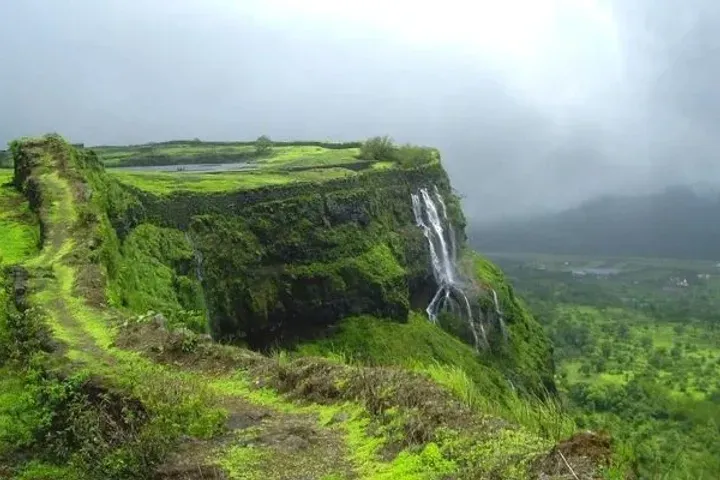
Discover other Maharashtra forts close by — plan a multi-fort trek or weekend heritage trail.
संदर्भ · References
References & Further Reading
Authoritative sources for Ratangad Fort — verify history, location and photos on Wikipedia, Google Maps, Wikimedia Commons and official government portals.
- ↗WikipediaRatangad Fort on Wikipedia
- ↗Google MapsRatangad Fort on Google Maps
- ↗Wikimedia CommonsRatangad Fort photos on Wikimedia Commons
- ↗Maharashtra Tourism (Govt.)Maharashtra Tourism — Forts
- ↗ASIArchaeological Survey of India
External links open in a new tab. Durgved is not affiliated with the linked sources.